
Sleeplessness, also known as insomnia, is a common condition that affects millions of people worldwide. It is characterized by difficulty falling asleep, staying asleep, or waking up too early and not being able to get back to sleep. The impact of sleeplessness extends beyond just feeling tired; it can significantly affect physical health, mental well-being, […]
Blog Grid
Sensitivities are a fundamental aspect of human experience, shaping our interactions, relationships, and overall well-being. These emotional triggers, often referred to as “sensitivities,” can vary widely among individuals, influenced by a myriad of factors including genetics, upbringing, life experiences, and personality traits. Understanding sensitivities is crucial not only for personal growth but also for fostering […]
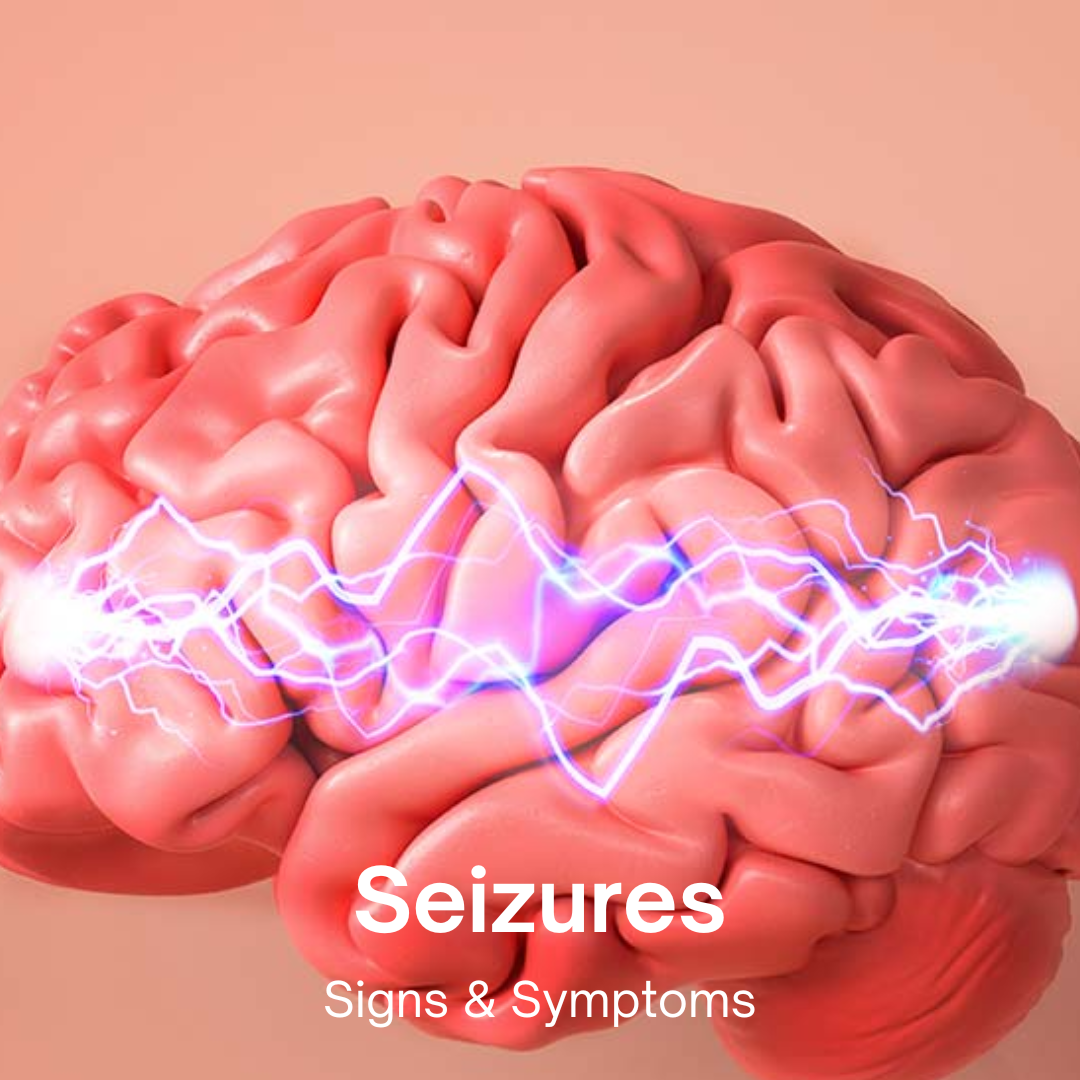
Seizures are sudden, uncontrolled electrical disturbances in the brain that can cause changes in behavior, movements, feelings, and levels of consciousness. They can be alarming to witness and experience, but understanding their causes, types, and management can help individuals and their loved ones better cope with this condition. Causes of Seizures Seizures can be caused […]
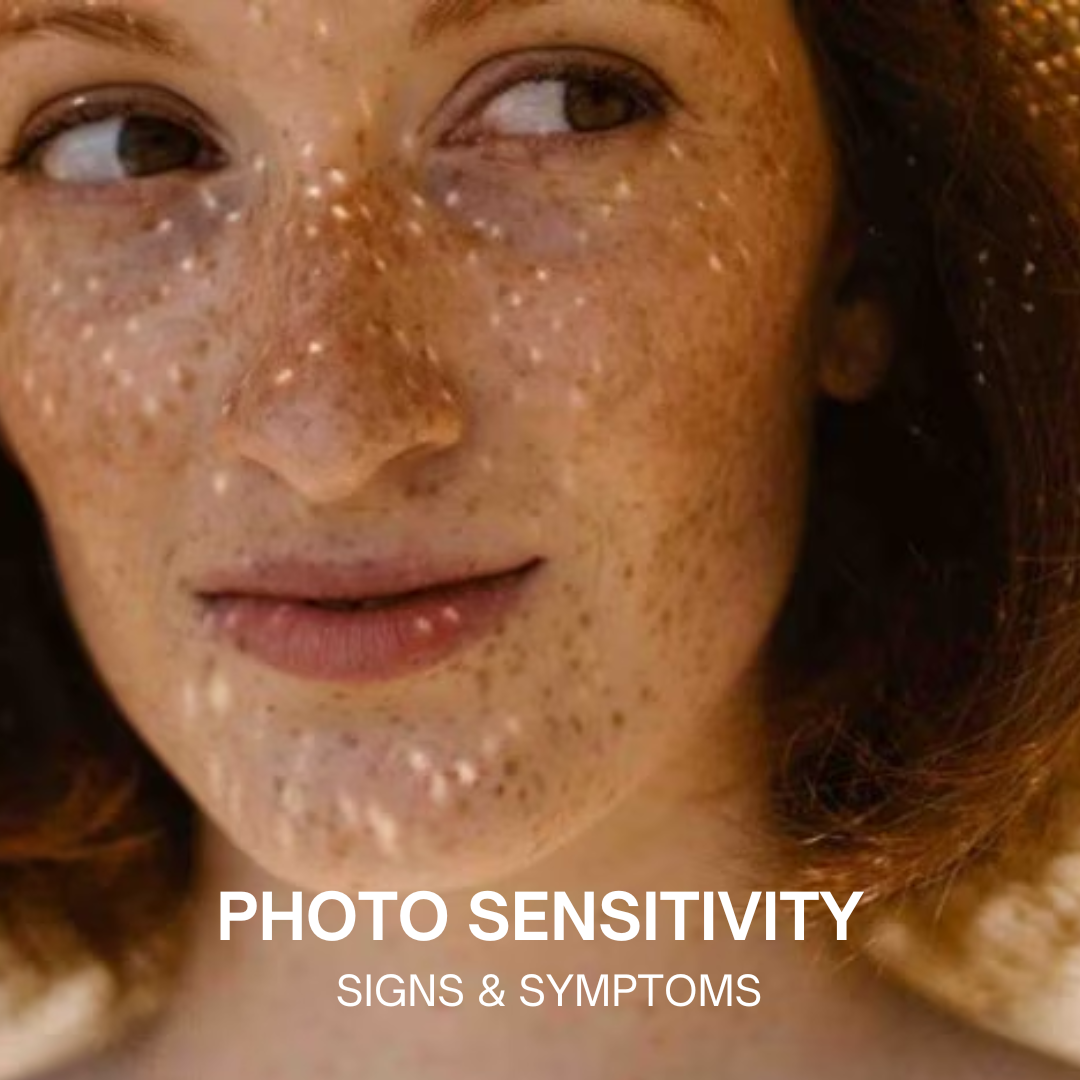
Photosensitivity, also known as sun sensitivity, is a condition where an individual’s skin reacts abnormally to sunlight or artificial ultraviolet (UV) radiation. This heightened sensitivity can lead to a variety of skin reactions, from mild redness to severe blistering and rashes. Understanding photosensitivity is crucial for those affected by it, as well as for healthcare […]
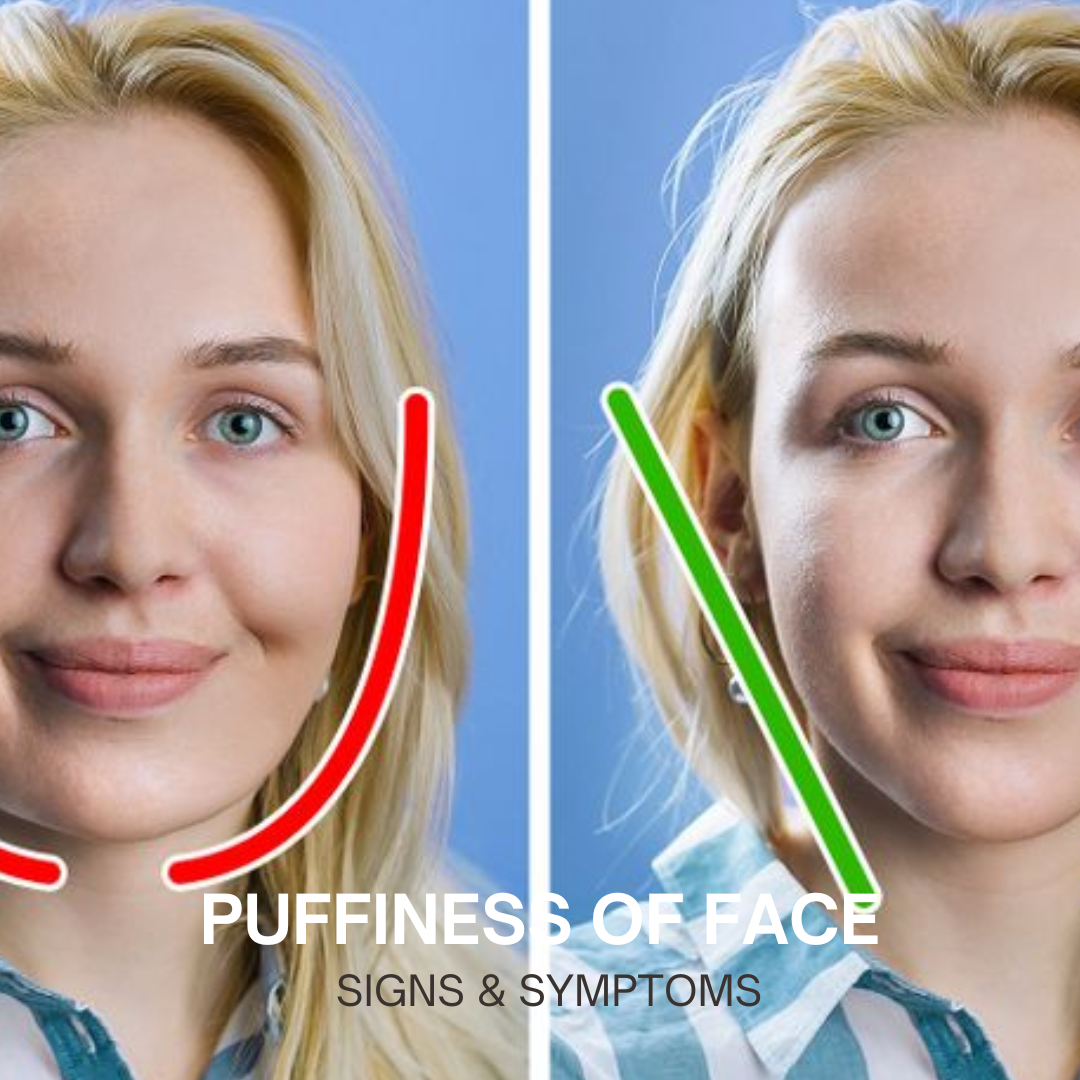
Puffiness of the face, often described as facial swelling or edema, is a common condition that can affect individuals of all ages. While it can be temporary and harmless, persistent or severe facial puffiness can be a sign of underlying health issues. This article explores the various causes, treatments, and preventive measures for facial puffiness. […]
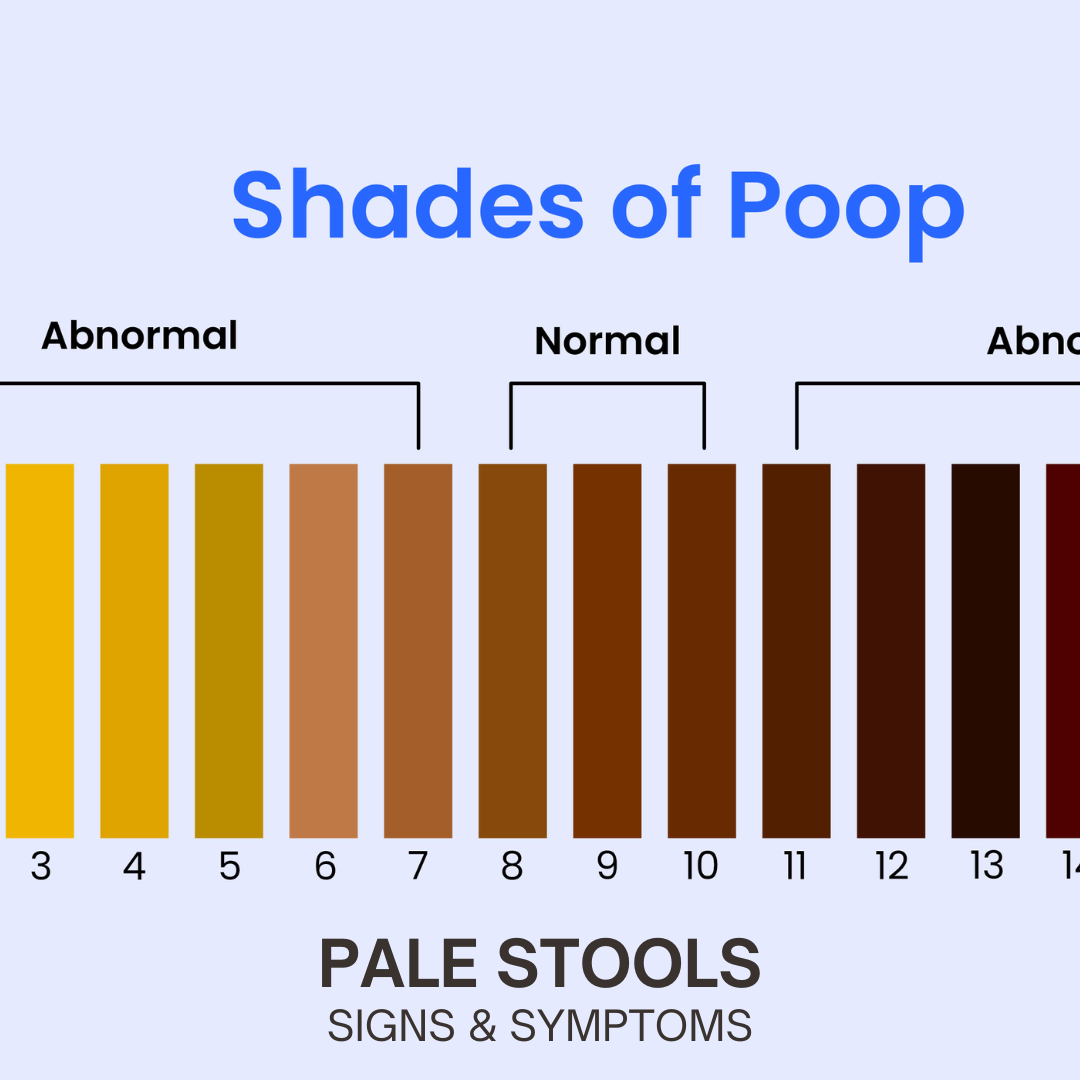
Pale stools, also referred to as clay-colored or light-colored stools, can be a cause for concern as they often indicate an underlying medical condition. The color of stool is typically influenced by what you eat and the bile produced by the liver. Bile is a digestive fluid that is crucial in the breakdown of fats […]