
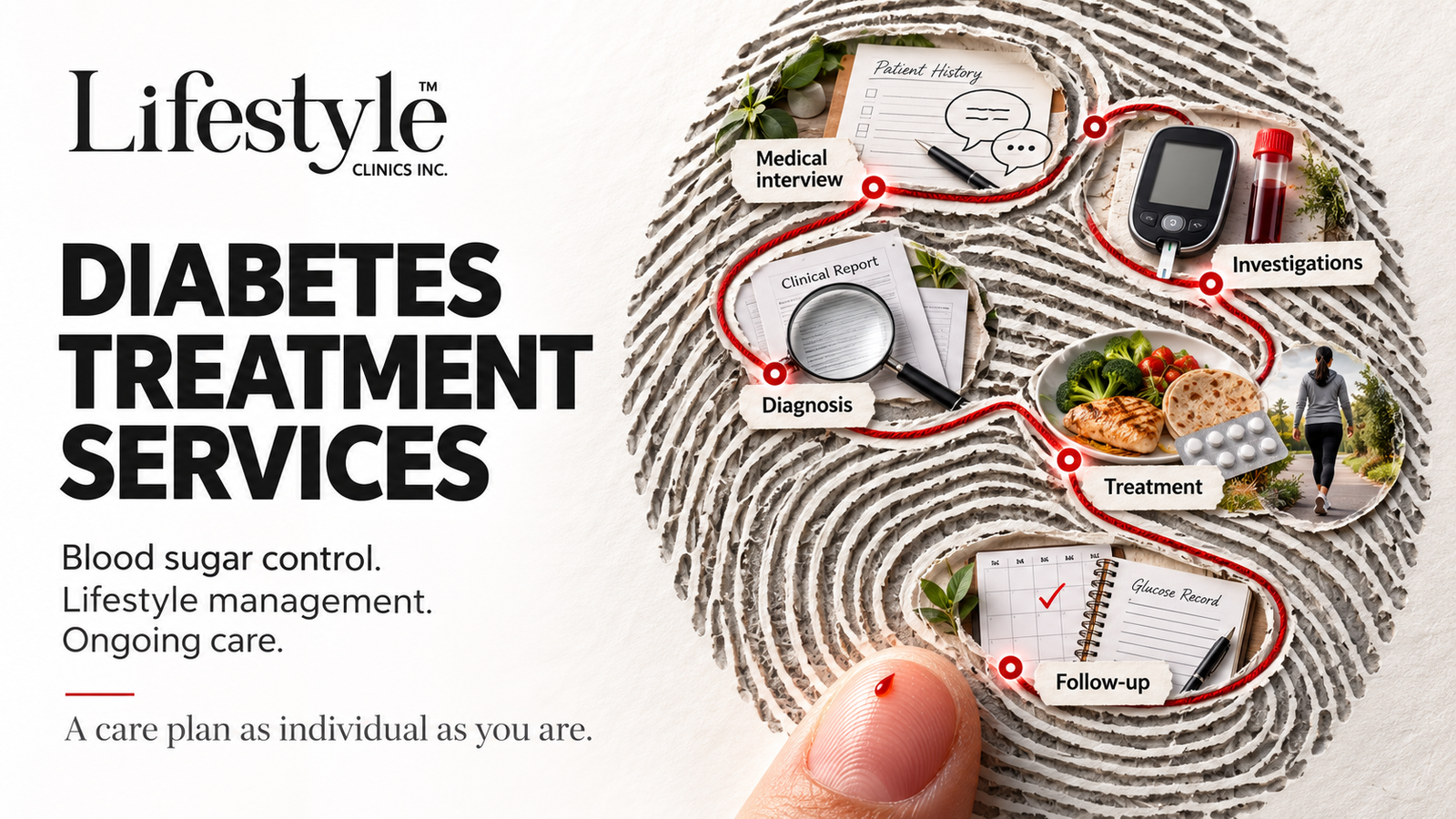
Diabetes Treatment Services at LS Clinics, Blood Sugar Control, Lifestyle Management and Ongoing Care
Finding the right diabetes care means finding a service that understands your condition, explains your results and helps you manage treatment in daily life. If you are searching for diabetes treatment services near me, you may be newly diagnosed, concerned about changing glucose readings or looking for a more structured approach to ongoing care. A useful consultation should help establish what is happening, what requires attention and how to move forward.
LS Clinics brings diabetes management into its broader approach to endocrinology, lifestyle and metabolic health. Its stated treatment framework connects a detailed medical interview with investigations, diagnosis, treatment and follow-up. Dietary habits and everyday routines receive particular attention, while individual assessment remains essential to deciding which treatments and monitoring methods are appropriate.
Diabetes Care That Considers Your Overall Health
Diabetes affects the way the body regulates blood glucose, but its management reaches into many aspects of daily living. Meals, medicines, activity, working hours and access to care can all influence how manageable a treatment plan becomes. Understanding these circumstances helps turn general recommendations into decisions a patient can realistically follow.
LS Clinics traces its origins to a small practice established in California in 1990. Operating under Medical PLC Holdings Group, it describes an international presence and a philosophy centred on the relationship between lifestyle and hormonal function. Within its diabetes service, the clinic emphasises dietary changes, clinical assessment and continuing review.
For someone comparing diabetes treatment services near me, this approach provides a useful starting point. The next step is a consultation that examines individual needs, explains the purpose of recommended care and identifies priorities. The aim should be a plan that is clinically appropriate and understandable enough to use outside the clinic.
Understanding Diabetes and the Role of Insulin
Insulin is a hormone that helps glucose inside the blood, move from the bloodstream into cells, where it can be used in the natural way for energy. Diabetes develops when the body does not produce for use enough insulin for energy or cannot use it effectively. Establishing the type of diabetes matters because treatment requirements can differ considerably.
Type 1 Diabetes
Type 1 diabetes usually develops in the patient, when the immune system of him, destroys insulin-producing cells in the pancreas. People with type 1 diabetes require insulin treatment. Healthy eating and physical activity remain important in this regard, but they cannot replace the insulin the body needs. Type 1 diabetes can develop in adulthood as well as childhood, so age alone does not establish the diagnosis.
Type 2 Diabetes
Type 2 diabetes involves difficulty using insulin effectively and problems producing enough insulin to meet the body’s needs. Treatment may include dietary changes, physical activity and medication. Some people require insulin. The appropriate combination depends on clinical findings and may change over time. Knowing the diagnosis helps patients understand why their recommendations may differ from those given to a relative or friend.
Signs That You Should Arrange a Diabetes Consultation
Persistent thirst, frequent urination, unexplained tiredness, blurred vision, unexplained weight loss and wounds that heal slowly can be reasons to seek assessment. These symptoms have several possible causes, so they should be investigated rather than used to diagnose diabetes independently. Some people with type 2 diabetes have few noticeable symptoms and discover the condition through testing.
An appointment is also appropriate when an existing treatment plan becomes difficult to follow. Repeated unexpected readings, concerns about medicine side effects or uncertainty about instructions deserve discussion. Patients should not wait until they feel severely unwell before asking for help with routine diabetes management.
When searching for diabetes treatment services near me, distinguish routine appointments from emergency care. Difficulty breathing, persistent vomiting, marked drowsiness or an inability to keep fluids down may require urgent hospital assessment. An online booking request should never delay treatment of a possible diabetes emergency.
Choosing Diabetes Care That Fits Your Location and Schedule
A local search should lead to practical information about where care takes place and how appointments are arranged. Before booking, confirm the clinician’s availability, the consultation location and the expected arrangements for subsequent reviews. Patients travelling from another city should check these details directly before making transport or accommodation plans.
When comparing diabetes treatment services near me, ask what the consultation includes and whether laboratory tests, referrals or additional appointments carry separate charges. Clear information helps patients plan the full cost of continuing care. It also helps identify practical obstacles early, including difficulty attending during working hours or returning frequently.
Keep copies of reports and an updated treatment list when attending different healthcare settings. If another clinician changes a prescription, mention it during your next diabetes review. Accurate records help the treating professionals understand what is currently being taken and what questions still need attention.
Patients can also explain what prompted their search for care. Perhaps an unexpected result caused concern, a previous explanation was difficult to understand or daily routines have changed. These details help establish the priorities for the first appointment. Bringing questions is part of an effective consultation, and patients should have an opportunity to discuss the issues that matter most to them.
The Five Stages of Diabetes Treatment at LS Clinics
LS Clinics describes five stages in its treatment framework. Together, they provide a structure for investigating concerns, deciding on treatment and reviewing what happens afterwards. Each stage has a different purpose, and patients should understand how the findings influence the next decision.
-
Medical Interview: Understanding the Patient’s Experience
The medical interview establishes the background to the consultation. Relevant details include when diabetes was diagnosed, previous treatment, current medicines, family history and recent changes in health. Daily routines also matter, including meal timings, activity, sleep and work commitments.
Patients should feel able to describe practical difficulties honestly. An unaffordable prescription, missed doses or confusion about a meal plan can affect how treatment works. Bringing these issues into the conversation helps the clinician understand the circumstances behind the results and consider recommendations that address the actual problem.
-
Investigations: Gathering Relevant Clinical Information
Investigations should answer questions raised during the assessment. Depending on individual circumstances, these may involve laboratory glucose testing, HbA1c and other appropriate checks. Existing reports can help establish what has already been investigated and whether further information is needed.
Patients should understand why a test is being recommended and how its result may influence care. Additional testing is most useful when it has a clear clinical purpose. The aim is to gather enough reliable information to make informed decisions while considering the patient’s history and current condition.
-
Diagnosis: Connecting Symptoms, History and Results
Diagnosis brings the available information together. The treating clinician should explain the type of diabetes, the immediate priorities and any findings that require further clarification. A clear explanation helps patients understand what they are managing and why particular recommendations have been made.
LS Clinics’ broader interest in endocrinology provides a context for considering hormonal health. However, further hormonal investigations for the patients should be directed by clinical findings. Having diabetes does not automatically mean that every hormone needs testing or treatment. Assessment determines which questions are relevant to the individual.
-
Treatment: Matching Recommendations to Individual Needs
LS Clinics describes its philosophy as “minimum dose treatment.” Patients should discuss what this means for their own care, including the purpose of each medicine, the intended benefit and how the response will be assessed. Appropriate treatment must provide adequate control safely.
Lifestyle measures and prescribed medicines should be considered together. A smaller dose is appropriate only when it meets clinical needs. Patients should never reduce insulin or other diabetes medicines independently because their eating habits have changed or a single glucose reading has improved. Adjustments require clinical review.
-
Follow-Up: Reviewing Progress and Making Adjustments
Follow-up provides an opportunity to review results, treatment response and everyday difficulties. Patients can explain which recommendations were manageable, whether side effects occurred and what has changed since the previous appointment. The review should lead to clear next steps.
For people comparing diabetes treatment services near me, continuing care deserves as much attention as the initial consultation. Ask how reviews are arranged, which records to bring and whom to contact with routine questions. A treatment plan needs regular assessment as health, circumstances and clinical requirements change.
Dietary Support for Everyday Diabetes Management
Food choices are central to the lifestyle emphasis described by LS Clinics. A useful diabetes eating plan considers food quality, portions and meal patterns alongside medicines and individual nutritional needs. It should also account for preferences, household routines and any other medical conditions.
Building Balanced Meals With Familiar Foods
For households in Pakistan, discussions may involve roti, rice, daal, vegetables, yoghurt, eggs, fish and chicken. These familiar foods can provide a practical basis for meal planning. The important questions concern portions, preparation and how different foods fit together.
A commonly used approach gives more plate space to non-starchy vegetables, with smaller portions for protein and carbohydrate foods. A qualified clinician or dietitian can help adapt this principle to individual needs. Advice should make it easier to organise ordinary meals without assuming that every patient requires an identical menu.
Paying Attention to Drinks, Snacks and Portions
Daily intake includes more than breakfast, lunch and dinner. Sweetened tea, soft drinks, juices, biscuits and repeated snacks may need discussion when reviewing eating habits. Foods described as “natural” or “sugar-free” still need to be considered within the overall eating plan.
Patients can bring examples from a typical day rather than trying to present an ideal diet. This helps identify practical changes that fit their circumstances. Someone buying lunch at work may need different suggestions from someone who prepares every meal at home. Sustainable recommendations should reflect those differences.
Making Dietary Changes Easier to Maintain
An eating plan must work during busy days, family gatherings and changing schedules. Discuss who shops, who cooks, what food is available and what the household can afford. These details influence whether recommendations can be followed consistently.
People searching for diabetes treatment services near me often want support translating medical advice into everyday decisions. Instead of attempting many changes in your lifestyle at once, discuss a manageable starting point with proper roadmap with the treating professional. Clear, repeatable actions make it easier to evaluate what is working and what needs further adjustment.
Physical Activity, Sleep and Emotional Wellbeing
Lifestyle care also involves movement, rest and the demands of living with a long-term condition. These subjects should be discussed alongside glucose results because they affect the practical work of following a treatment plan.
Walking and other suitable activities for the patient can support diabetes management. The starting point should reflect current fitness, mobility and medical needs. People taking insulin or certain medicines may need advice about preventing low blood glucose around exercise. Foot problems, dizziness or other concerns should be discussed before increasing activity.
LS Clinics mentions walking clubs among its wider activities. Interested patients can enquire about current arrangements and whether participation is appropriate for them. Availability should be confirmed directly with the clinic.
Sleep difficulties and emotional strain also deserve attention. Diabetes can bring frustration, worry and fatigue from repeated decisions. Patients should feel comfortable discussing these experiences and asking for appropriate support. Persistent anxiety or low mood warrants assessment, while practical help with routines may make daily care more manageable.
Involving Family Members in Everyday Care
With the patient’s agreement, a family member can help communicate concerns, organise records or remember instructions. This can be particularly useful when meals, travel or medicine collection involve other people. Support should respect the patient’s preferences and preserve their role in decisions about their health.
The most helpful conversation is often specific. Explain which tasks would make the routine easier, such as keeping appointment dates visible or helping prepare familiar meals in agreed portions. Family members should also know whom to contact if the patient becomes unwell. Understanding the treatment plan together can reduce uncertainty without turning everyday life into constant supervision.
Why Medicines and Glucose Monitoring Remain Important
Dietary and lifestyle improvements are valuable parts of diabetes care, but medication may still be necessary. Type 1 diabetes requires insulin. Many people with type 2 diabetes also need tablets, injectable medicines or insulin, depending on their circumstances.
Treatment decisions may take account of other health conditions, response, side effects, access and cost. Needing medication is not evidence that a patient has failed. The purpose is to provide appropriate care, and the reasons for any prescription should be explained clearly.
Monitoring helps assess how the plan is working. Depending on individual requirements, this may involve laboratory tests, a glucose meter or continuous glucose monitoring. The treating clinician should explain which method is suitable, how often to check and what action to take with the results.
At follow-up, describe readings alongside the circumstances in which they occurred. Note whether a measurement was taken before or after food, whether a medicine was missed and whether illness or unusual activity affected the day. Follow the monitoring schedule agreed with your clinician rather than checking repeatedly without a clear purpose. This context can make the review more informative and help focus the discussion on appropriate next steps for care.
Understanding HbA1c in Diabetes Treatment
HbA1c reflects average blood glucose over approximately three months. It remains an established tool in diabetes management and provides different information from a single home glucose reading. Understanding this distinction helps patients interpret why several measurements may be considered together.
Some conditions affecting blood cells or haemoglobin can make HbA1c less reliable. If the result does not match other findings, the clinician may investigate the difference or choose another suitable measure. This requires individual interpretation rather than assuming that HbA1c should always be ignored.
Patients exploring diabetes treatment services near me can ask what their results mean, which targets are appropriate and when reassessment is due. The aim is to turn laboratory information into decisions they understand.
Can Type 2 Diabetes Go Into Remission?
Some people with type 2 diabetes can achieve remission. The commonly accepted definition is HbA1c below 6.5% for at least three months without usual glucose-lowering medication. Whether remission is achievable depends on individual circumstances and should be assessed clinically.
Remission requires continued follow-up because elevated glucose can return. It should not be presented as a guaranteed permanent cure or used as a reason to stop medicines independently. Patients should discuss any proposed treatment changes with their clinician.
Even when remission is not achieved, better glucose management, appropriate treatment and a more sustainable routine remain valuable goals. Diabetes care should support progress that is meaningful for the individual rather than measuring success against a single outcome.
Protecting Long-Term Health Through Continuing Care
Diabetes management includes attention to the heart, kidneys, eyes, nerves and feet. Blood pressure, cholesterol and smoking status matter alongside glucose control. Depending on individual needs, care may include kidney testing, eye examinations and foot assessment, with referral when appropriate.
Patients should ask which checks are due and how they will be arranged. Some complications may develop before obvious symptoms appear, making planned assessment important. New foot wounds, changes in vision or persistent numbness should be brought to medical attention.
People taking medicines that can cause low blood glucose also need an agreed response plan. Shaking, sweating, hunger or confusion may be warning symptoms. Severe confusion, unconsciousness or an inability to swallow safely requires emergency assistance.
Before an illness occurs, ask for a written sick-day plan covering medicines, monitoring, hydration and when to seek urgent help. Preparing in advance makes the response clearer when ordinary routines become difficult.
Preparing for Your First Diabetes Appointment
Bring available laboratory reports, an updated list of medicines and supplements, and any glucose records already collected. Write down the main concerns you want to discuss, including side effects, unexpected readings or instructions that remain unclear.
A short account of a typical working day can help explain challenges around meals, activity and medication. There is no need to create a perfect diary before seeking assessment. Existing information, organised clearly, provides a useful starting point.
Before leaving, make sure you understand the plan, any recommended tests and the expected review arrangements. Repeating instructions back in ordinary language can help identify misunderstandings while there is still time to clarify them.
Questions About Diabetes Treatment Services Near Me
Can Diabetes Be Managed Without Insulin?
Some people with type 2 diabetes can manage glucose with lifestyle changes and non-insulin medicines, while others need insulin. Type 1 diabetes requires insulin treatment. The decision depends on the diagnosis and clinical assessment, not on a preference for avoiding injections.
How Often Will Follow-Up Be Needed?
The appropriate interval depends on current results, treatment changes and individual needs. A newly adjusted plan may require a different review schedule from an established routine. Ask the treating clinician when to return and which symptoms or readings should prompt earlier contact.
Should I Stop Medicines When My Readings Improve?
Do not stop or reduce prescribed medicines independently. Improved results may show that the existing plan is working. A clinician can assess whether any adjustment is appropriate and explain how glucose should be monitored after a change.
Does LS Clinics Provide Diabetes Education?
LS Clinics describes lectures, seminars and workshops, including international and online activities. Patients can enquire about relevant sessions and current availability. Educational activities can support understanding, while individual treatment decisions still require a personal clinical assessment.
Book a Diabetes Consultation With LS Clinics
If your search for diabetes treatment services near me has brought you to LS Clinics, contact the clinic to discuss appointment arrangements and the appropriate consultation location. Confirm availability, fees and any requirements for bringing reports before travelling.
Patients can request an appointment anytime by providing their name, mobile number, email address, health concern and preferred date. The clinic lists its Asia headquarters at Al-Razi Building #10, Dubai Healthcare City, Dubai.
For enquiries, contact +92 321 786 9227, +92 321 970 0700, or info@lsclinics.com.
LS Clinics’ stated framework connects assessment, lifestyle attention, treatment and follow-up. A consultation provides the opportunity to discuss your condition, understand the options and establish practical next steps for continuing diabetes care.