
AI can integrate large amounts of dietary, wearable, laboratory, and behavioral data, but it cannot currently produce a perfect plan or replace clinical responsibility.
DNA testing will improve diagnosis and treatment for selected forms of obesity, but common consumer panels currently promise more dietary precision than the evidence can support.
Precision medicine can improve diagnosis, treatment selection, and maintenance, but cure is a problematic claim for a chronic, heterogeneous, relapsing disease.
Obesity is a chronic disease involving excess or dysfunctional adiposity, but lifestyle and environment influence its development and treatment. Disease and lifestyle are not mutually exclusive categories.
Many clinics identify excess weight and immediately sell a protocol. They do not establish the phenotype, drivers, complications, functional burden, or treatment history that a real obesity diagnosis requires.
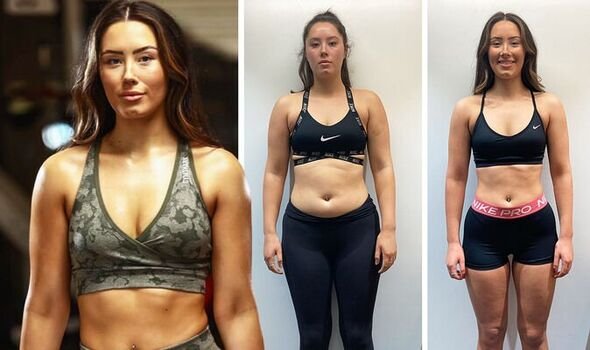
Diet Plan for Weight Loss A Comprehensive Guide to Shedding Extra Pounds In today’s fast-paced world, maintaining a healthy weight can be a challenge. With the abundance of processed foods, sedentary lifestyles, and the stresses of daily life, weight gain has become a common issue. However, losing weight and keeping it off doesn’t have to […]