
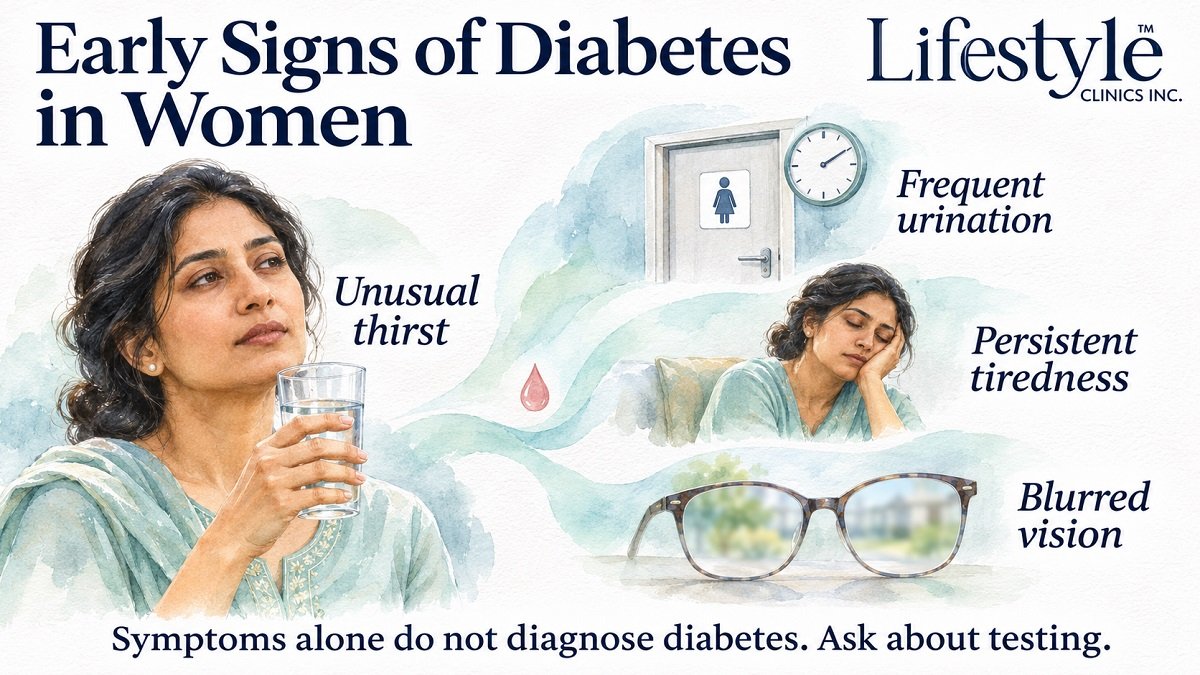
Early Signs of Diabetes in Women, Unusual Thirst, Frequent Urination, Fatigue and Recurring Infections
The early signs of diabetes in women can include unusual thirst, frequent urination, persistent tiredness and blurred vision. Some women also experience recurring vaginal yeast infections or urinary tract infections. These changes deserve attention, particularly when they persist or appear together, but symptoms alone cannot establish a diabetes diagnosis. Appropriate testing is needed.
Women often notice changes while balancing work, family responsibilities, menstrual symptoms or pregnancy. It can be difficult to know whether tiredness or increased urination reflects ordinary circumstances or a health concern. The useful next step is to describe the changes clearly and seek an assessment when they are unexplained or continuing.
LS Clinics brings diabetes care into a broader approach to endocrinology, lifestyle and metabolic health. For readers searching for diabetes assessment near me, a consultation provides an opportunity to discuss symptoms, previous results and individual risk factors. Contact the clinic to confirm appointment arrangements and the relevant assessment available.
Understanding What Early Symptoms Can Tell You
Diabetes involves glucose levels that are too high because the body does not produce enough insulin or does not use it effectively. Insulin helps glucose enter cells for energy. The symptoms associated with high glucose are broadly similar in women and men, although women’s reproductive and urinary health can add other concerns.
The word early does not reliably indicate when the condition began. Type 2 diabetes can develop gradually, with mild symptoms or none at all. A woman may first notice a problem only after glucose has been elevated for some time. This is why risk assessment and testing can matter even when symptoms seem minor.
Changes in symptoms also matter. Explain when they started, whether they are worsening and how they affect your routine. A symptom record can help the clinician understand the pattern without assuming that every change has the same cause.
Common Symptoms That Deserve Attention
Increased Thirst and Frequent Urination
Being noticeably thirstier than usual and passing urine more often can occur with high blood glucose. Some women find that they wake repeatedly to use the bathroom. Mention whether this represents a clear change from your usual pattern, especially if it occurs alongside tiredness, blurred vision or unexpected weight loss.
Frequent urination can also have other explanations, including a urinary infection or pregnancy. Burning, pain or urgency needs its own assessment. Describe these details rather than assuming that all urinary symptoms are caused by diabetes.
Persistent Tiredness
Fatigue is a recognized diabetes symptom, but it is also common in many other situations. Poor sleep, anaemia and other health problems may need consideration. Tell the doctor whether tiredness is new, persistent or interfering with ordinary activities, and mention other symptoms that developed around the same time.
Increased Hunger and Unexplained Weight Loss
Feeling unusually hungry or losing weight without trying can be associated with diabetes. Unintentional weight loss deserves assessment regardless of your starting weight. Explain changes in appetite, clothing fit and eating patterns, and bring any recent weight records if you have them. These details help establish the clinical picture.
Blurred Vision
Changes in vision can occur when glucose is elevated. New or persistent blurring should be discussed with a healthcare professional, because other eye conditions can also cause it. Mention whether the change is intermittent, affects one or both eyes, or interferes with reading, work or daily tasks.
Slow Healing and Tingling
Slow healing wounds and tingling or numbness in the hands or feet can occur in people with diabetes. They are not necessarily the earliest manifestations and may have other causes. Report persistent symptoms or new foot wounds promptly rather than using them to estimate how long a condition has been present.
Recurring Vaginal and Urinary Infections
Women with diabetes have a higher risk of vaginal yeast infections, particularly when blood glucose is high. Recurring itching, soreness or other genital symptoms should be assessed. A single yeast infection does not establish diabetes, and symptoms can overlap with other conditions that need different treatment.
Other factors, including pregnancy and recent antibiotic use, can increase the risk of vaginal candidiasis. Tell the clinician about medicines, pregnancy possibility and previous treatments. Repeatedly treating symptoms without discussing why they return can leave the underlying problem unresolved.
Women with diabetes also have a higher risk of urinary tract infections. Burning during urination, urgency or lower abdominal discomfort deserves attention. Fever, chills, back or side pain, nausea or vomiting can suggest a more serious infection and need prompt medical assessment.
Vaginal dryness, discomfort during sex or reduced sexual response can occur in women with diabetes, but these symptoms have many possible causes, including menopause. They are not reliable standalone early signs. Discuss persistent changes openly so the clinician can assess the relevant possibilities.
If intimate symptoms are difficult to discuss, you can write them down before the visit. Ask about privacy, whether a female clinician is available and whether an appropriate chaperone can be arranged if an examination is proposed. Confirm arrangements directly with the clinic, and explain what would make it easier for you to describe the concern accurately.
PCOS and Skin Changes as Reasons to Discuss Testing
Polycystic ovary syndrome, commonly called PCOS, is associated with insulin resistance and an increased risk of type 2 diabetes. Irregular periods or other PCOS symptoms do not prove that diabetes is present. Women with PCOS should ask their clinician whether glucose testing is appropriate and how future monitoring should be arranged.
Dark, thickened or velvety skin around areas such as the neck or armpits can be acanthosis nigricans, which is associated with insulin resistance. A clinician should assess the skin change and its context. The skin change warrants discussion of metabolic health, but diabetes requires appropriate clinical assessment and blood testing for diagnosis.
These findings belong in a broader history that includes family diabetes history, previous test results and other health conditions. The aim is to identify who may benefit from testing, including women who have no noticeable glucose related symptoms.
A previous pregnancy affected by gestational diabetes, a close family history of diabetes or an earlier abnormal glucose result should be mentioned even if your current concern seems unrelated. Risk factors help determine whether screening is appropriate; they do not establish a diagnosis or predict the same outcome for every woman. Ask how your own history changes the recommended assessment.
Menopause and Symptoms That Overlap
Menopause can bring changes in sleep, energy and vaginal comfort. In women already living with diabetes, hormonal changes can also affect glucose management. These overlapping concerns make an individual assessment important. A clinician can consider whether symptoms relate to menopause, diabetes, another condition or several influences together.
When discussing the early signs of diabetes in women, avoid treating every hormonal symptom as evidence of high glucose. Explain the timing of menstrual changes and any medicines or hormone treatments you use. Your doctor can then decide which investigations are relevant instead of relying on symptoms in isolation.
Pregnancy and Diabetes Screening
Gestational diabetes often causes no obvious symptoms. Increased thirst or urination during pregnancy cannot reliably identify it, because these changes can also occur for other reasons. Attend the screening recommended by your maternity team even if you feel well. Symptoms should not determine whether pregnancy testing takes place.
Testing for gestational diabetes usually occurs between 24 and 28 weeks of pregnancy. Earlier assessment may be appropriate when risk is higher. The maternity team should explain which test is being arranged and whether preparation is required. Pregnancy uses its own assessment pathway, so ordinary home readings should not be used to diagnose gestational diabetes independently.
If you already have diabetes and are planning pregnancy or discover that you are pregnant, contact your diabetes and maternity clinicians promptly. Ask how medicines, monitoring and appointments should be coordinated. A history of gestational diabetes should also be mentioned at future health reviews.
After gestational diabetes, keep the follow-up testing recommended after birth, even if glucose readings improve and symptoms are absent. Tell future clinicians about the pregnancy history because it remains relevant to later diabetes risk. Ask when your next glucose assessment is due and what to do if thirst, frequent urination or other concerns appear before that date. Screening should continue according to advice.
Testing and Establishing the Diagnosis
Assessment may involve HbA1c, fasting plasma glucose or other laboratory testing, depending on symptoms, pregnancy and the clinical history. A home glucose meter can provide useful monitoring information, but it cannot independently establish a diabetes diagnosis. Your doctor should explain the appropriate test and how its result will be interpreted.
HbA1c reflects average glucose over approximately three months and remains an established tool. Certain conditions, including some forms of anaemia or altered red blood cell turnover, can affect its reliability. Pregnancy can also change which tests are appropriate. Tell the doctor about relevant medical conditions before results are interpreted.
Ask whether confirmation is needed after an abnormal result and when to return. If symptoms continue despite a reassuring test, explain that at review. Persistent concerns deserve reassessment rather than repeated self-testing without a clear clinical question.
Preparing a Symptom Record
A short record can make the consultation more useful. Note when thirst, tiredness or urinary changes began and whether they occur together. Include the dates of recurring infections and any treatment already used. If you have reports from previous appointments, bring them rather than relying on memory about whether a result was described as normal.
There is no requirement to develop every symptom before asking for advice. One persistent, unexplained change can justify discussion, particularly when you also have relevant risk factors. Conversely, several common symptoms can still have an explanation other than diabetes. The clinician’s task is to assess the whole pattern and choose appropriate investigations.
Symptoms That Need Urgent Assessment
Vomiting, abdominal pain, rapid or deep breathing, increasing drowsiness or confusion can indicate a serious diabetes related emergency. Seek urgent medical assessment, particularly when these occur alongside marked thirst or worsening illness. Do not wait for a routine appointment or an online response when someone is becoming seriously unwell.
Rapid deterioration can occur before a person knows they have diabetes. Early recognition articles can help people notice concerns, but they cannot determine whether an emergency is present from a symptom list. Use urgent medical services when the situation requires immediate assessment.
The LS Clinics Approach to Diabetes and Metabolic Health
LS Clinics traces its origins to a small practice established in California in 1990. It describes an international presence and operates under Medical PLC Holdings Group. Its philosophy centers on daily habits, hormonal function and underlying influences on health.
The clinic calls its approach “minimum dose treatment,” with attention to the interaction of multiple hormones. Patients can ask how this philosophy applies to their diagnosis and prescriptions. Any treatment recommendation should respond to individual clinical findings, with effectiveness and safety assessed over time.
For readers concerned about the early signs of diabetes in women, a consultation can bring symptoms, reproductive history and previous reports into one discussion. Explain what has changed and what concerns you most. The treating doctor can then decide which investigations and recommendations are appropriate.
The Clinical Assessment Pathway at LS Clinics
Medical Interview
The clinic describes a framework beginning with a medical interview. Discuss symptoms, previous diagnoses, current medicines and family history. Mention pregnancy, previous gestational diabetes, PCOS or menstrual changes where relevant. These details help the doctor understand the context without assuming a cause before assessment.
Investigations
Investigations follow the initial consultation. Ask what each test is intended to clarify, whether preparation is required and when results will be available. Bring original reports where possible so dates and units can be checked. The tests should be selected according to your individual circumstances.
Diagnosis
The doctor interprets the medical history and findings to establish or review the diagnosis. This stage should explain what is known, what remains uncertain and whether further assessment is needed. Understanding the diagnosis helps clarify why particular treatment or monitoring recommendations have been made.
Treatment
Treatment recommendations should explain the role of medicines, food choices and other relevant changes. Ask for clear instructions about any prescription and its intended benefit. Discuss what to do if symptoms persist, side effects occur or the plan is difficult to follow at home.
Follow Up
Follow-up allows recommendations to be reconsidered according to your response. Bring questions, relevant readings and an honest account of practical difficulties. Regular review helps adapt care as your health, symptoms or circumstances change and provides an opportunity to check that instructions remain understandable.
Lifestyle Support and Necessary Treatment
LS Clinics emphasizes dietary and lifestyle changes within diabetes management. Food choices, activity and daily routines can support care, but the appropriate plan depends on the diagnosis and individual assessment. Explain practical concerns such as shift work, meal timing or difficulty obtaining suitable food.
Type 1 diabetes requires insulin treatment; which dietary or lifestyle changes cannot replace. Some people with type 2 diabetes also need insulin or other medicines. Medication requirements, monitoring methods and treatment adjustments should therefore be determined by the treating doctor. Improved symptoms alone are not a reason to stop prescribed treatment.
Some people with type 2 diabetes achieve remission, generally defined as HbA1c below 6.5% for at least three months without usual glucose-lowering medication. Remission requires continued monitoring because glucose can rise again. It is not a guaranteed or permanent cure, and treatment should not be stopped simply to test whether remission has occurred.
Education and Continued Support
LS Clinics describes lectures, seminars and workshops internationally and online, together with an interest in walking clubs. Patients can enquire about current activities and whether they are relevant to their condition. Education is useful when it helps someone apply clinical advice between appointments.
The clinic’s diabetes testimonials describe individual experiences of tailored care and supportive staff. These accounts provide context about patient experience, while outcomes depend on each person’s condition and circumstances. Progress should be assessed against your own clinical needs and response over time.
Finding Diabetes Assessment Near Me
If concerns about the early signs of diabetes in women have led you to search for diabetes care near me, ask what the consultation includes. Confirm the relevant clinician’s availability, testing arrangements and follow-up process. Women who are pregnant should also clarify how assessment fits with their maternity care.
Discuss costs and what information to bring before travelling. Ask whether existing reports can be reviewed and which services need separate arrangements. Practical clarity helps you choose an appointment that addresses your concern and supports continued care when further review is necessary.
Frequently Asked Questions
What are the early signs of diabetes in women?
Possible signs include increased thirst, frequent urination, tiredness, blurred vision and unexplained weight loss. Recurring yeast or urinary infections may also warrant assessment. These symptoms have other possible causes, and appropriate testing is needed to establish whether diabetes is present.
Are diabetes symptoms different in women and men?
Many core symptoms are similar. Women may also experience concerns involving vaginal infections, urinary health or reproductive circumstances. The significance depends on the full clinical picture rather than a symptom being exclusive to one group.
Does a yeast infection mean I have diabetes?
No. Vaginal yeast infections are common and can occur without diabetes. Recurring infections or other concerning symptoms are reasons to discuss assessment. Tell the clinician about previous treatment, medicines and whether pregnancy is possible.
Can women have diabetes without any symptoms?
Yes. Type 2 diabetes can cause few or no noticeable symptoms, and gestational diabetes often has none. Testing may be appropriate because of risk factors or pregnancy even when you feel well. Ask your clinician which assessments apply to you.
Are irregular periods a definite diabetes symptom?
Irregular periods have several possible causes and do not establish diabetes. PCOS can involve irregular periods and is associated with insulin resistance. Mention menstrual changes during assessment so the doctor can decide which investigations are appropriate.
Should I wait for symptoms during pregnancy?
No. Attend the gestational diabetes screening recommended by your maternity team. It commonly takes place between 24 and 28 weeks, with earlier testing in some circumstances. Feeling well does not remove the need for the recommended assessment.
Can menopause explain all of these changes?
Menopause may explain some symptoms, but persistent or unexplained changes should still be assessed. Tell the clinician about thirst, urination, infections and other concerns rather than assuming they share a hormonal cause. Testing can help clarify the relevant possibilities.
Can a home meter confirm that I have diabetes?
No. Home meters are intended for monitoring and cannot independently establish the diagnosis. Bring concerning readings to a healthcare professional. Appropriate laboratory testing and interpretation are needed, with further assessment when the clinical situation requires it.
What should I bring to an assessment?
Bring recent reports, your medicine list and notes about symptoms. Include pregnancy history, previous gestational diabetes and relevant diagnoses such as PCOS. Write down when the changes began and which concerns you most want to discuss.
Can I contact LS Clinics about these symptoms?
Yes. Request a consultation and explain your concerns so the clinic can clarify appropriate appointment arrangements. Confirm the consultation location, relevant services and any reports or preparation required before the visit. Urgent symptoms should receive urgent medical assessment.
Requesting a Consultation at LS Clinics
Patients can request a diabetes consultation by providing their name, mobile number, email address, selected health concern and preferred appointment date. Mention any symptoms, existing diabetes diagnosis or pregnancy related concern so the enquiry reflects your circumstances.
The clinic lists its Asia headquarters at Al-Razi Building #10, Dubai Healthcare City, Dubai. Enquiries can be directed to +92 321 786 9227, +92 321 970 0700, or info@lsclinics.com. Confirm the appropriate consultation location when booking.
Recognizing the early signs of diabetes in women can provide a reason to seek timely assessment. If you are searching for diabetes assessment near me, contact LS Clinics to discuss the relevant appointment. An individual consultation can clarify what testing, treatment or continued review your circumstances require.