Type 1 Diabetes Treatment Services and Ongoing Care at LS Clinics
Searching for type 1 diabetes treatment services near me often means looking for dependable support with insulin, glucose readings and everyday decisions. Whether you have recently received a diagnosis or have lived with diabetes for years, treatment needs to work beyond the consultation room. Clear instructions, reliable supplies and continued clinical review all matter.
Type 1 diabetes requires insulin treatment. Food choices, physical activity and education help support management, but they cannot replace the insulin the body needs. Appropriate care brings these elements together around an individual assessment, with practical plans for routine days, illness and unexpected glucose changes.
LS Clinics describes diabetes care within a broader approach to endocrinology, lifestyle and metabolic health. Patients can contact the clinic to discuss their concerns and confirm the type 1 diabetes services, clinician availability and monitoring support appropriate to their circumstances. The aim of the initial enquiry is to establish a suitable pathway for assessment and ongoing care.
Understanding Type 1 Diabetes
Type 1 diabetes develops when the immune system damages the pancreatic cells that produce insulin. Insulin is a hormone that helps glucose enter cells for energy. When insulin production becomes severely reduced, glucose accumulates in the bloodstream and the body cannot use it normally. This explains why replacing insulin is central to treatment.
Type 1 diabetes can develop in childhood, adolescence or adulthood. It is not caused by eating sugar or by a person’s lifestyle habits. Understanding its autoimmune nature helps patients and families approach treatment without blame. Healthy habits remain valuable, while the underlying insulin deficiency requires specific medical management.
People can have different treatment requirements even when they share the same diagnosis. Age, daily activities, illness and other health conditions can affect care. A useful consultation should explain how the plan addresses your own circumstances rather than asking you to follow another patient’s routine.
Recognising Symptoms and Establishing the Diagnosis
Possible symptoms include unusual thirst, frequent urination, fatigue, blurred vision and unexplained weight loss. Symptoms can develop quickly, particularly in children. Some adults develop symptoms more gradually, which can make the type of diabetes less obvious initially. New symptoms deserve prompt medical assessment rather than an assumption that they reflect stress or tiredness.
Doctors use appropriate blood tests to diagnose diabetes and may request additional investigations to establish its type. Depending on the circumstances, these can include diabetes autoantibodies or a C-peptide test, which helps assess the body’s insulin production. Your doctor should explain why a particular investigation is needed and how its findings affect treatment.
Vomiting, abdominal pain, deep breathing or increasing drowsiness can indicate diabetic ketoacidosis, a serious emergency associated with insufficient insulin. Someone who is acutely unwell needs urgent assessment. A routine clinic enquiry should never delay emergency treatment for a possible diabetes crisis.
Diabetes Care Within the LS Clinics Philosophy
LS Clinics traces its origins to a small practice established in California in 1990. It describes an international presence and operates under Medical PLC Holdings Group. Its philosophy considers the relationship between daily habits, hormonal function and underlying influences on health.
The clinic describes its approach as “minimum dose treatment,” with attention to the interaction of multiple hormones. For a patient with type 1 diabetes, discussion of this philosophy must preserve the essential role of prescribed insulin. The relevant objective is an appropriate, effective regimen that meets clinical needs and is reviewed over time.
Patients searching for type 1 diabetes treatment services near me can use the consultation to ask how the clinic’s broader assessment applies to their situation. Explain existing diagnoses, current prescriptions and the support you already receive. This helps clarify how any proposed assessment would fit into your continuing care.
Five Stages of Assessment and Treatment
Medical Interview
LS Clinics describes a pathway beginning with a medical interview. This gives patients an opportunity to discuss symptoms, previous treatment and practical concerns. Bring your insulin prescription, other medicines and available glucose records. Explain difficulties with meals, injections, device use or supplies so the discussion reflects your actual routine.
Investigations
Investigations follow the clinical assessment. Your doctor may review previous laboratory reports, current monitoring information and any findings relevant to your condition. Ask what each test is intended to establish and whether preparation is required. The investigation plan should respond to your history and examination rather than assume every patient needs identical testing.
Diagnosis
The diagnosis stage brings together the medical history and investigation results. For someone already receiving insulin, this can involve clarifying the existing diagnosis or reviewing an unexpected change in control. Understanding the diagnosis helps explain why insulin is needed and which aspects of care require particular attention.
Treatment
Treatment recommendations should explain the prescribed insulin regimen, monitoring arrangements and relevant lifestyle advice. Ask the doctor to make instructions clear enough to use at home. If a prescription changes, confirm what has changed, when the change starts and what information should be collected before the next review.
Follow Up
Follow-up allows the treating doctor to assess response and adjust the plan when necessary. Bring concerns about low readings, high readings or difficulty following instructions. Regular review also provides an opportunity to check that the treatment remains practical as work, school, health or family responsibilities change.
Insulin Treatment and Individual Requirements
Insulin treatment for type 1 diabetes commonly involves multiple daily injections or an insulin pump. Injection regimens often include background insulin and insulin related to meals. The appropriate method depends on clinical needs, personal preferences, access and the ability to use the treatment safely. Your treating clinician should explain the options relevant to you.
Education should cover how prescribed insulin relates to food, current glucose levels and planned activity. Some patients receive specific instructions for dose adjustments, while others need additional training before making changes independently. Follow your own written plan; an internet example cannot account for your insulin sensitivity, prescription or current health.
The clinic’s emphasis on individual assessment should support a clear discussion of dosing. Taking too little insulin can lead to dangerous insulin deficiency, while taking too much can cause hypoglycaemia. “Minimum dose” should therefore never be interpreted as a reason to omit necessary insulin or pursue the smallest possible dose regardless of glucose results.
Ask about injection technique, suitable injection sites and the instructions for your particular insulin product. Storage requirements and usable periods vary between products. Protect supplies from freezing and excessive heat, and check the manufacturer’s instructions when travelling or managing a disruption in refrigeration.
Glucose Monitoring and Diabetes Technology
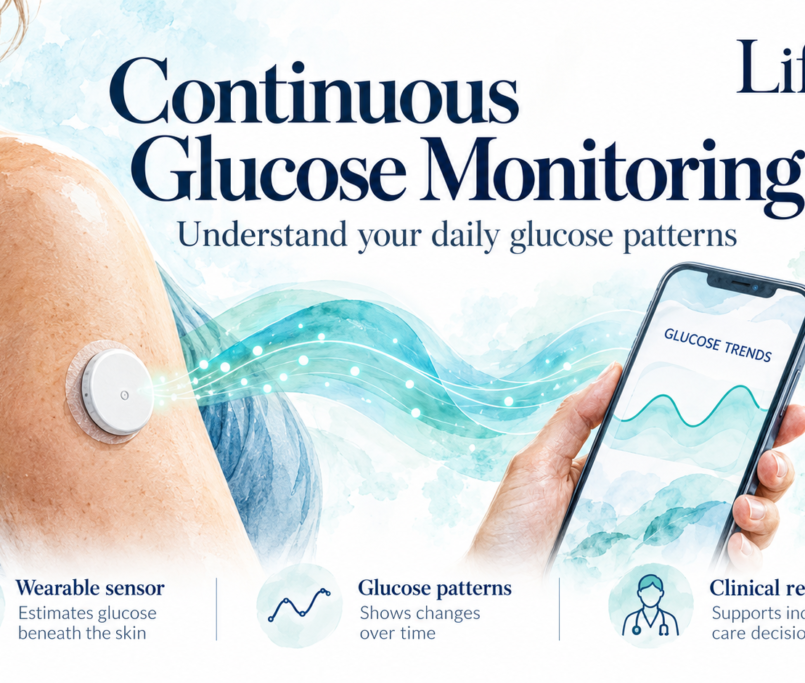
Monitoring provides information about how treatment is working throughout daily life. A finger prick meter measures glucose from a small blood sample at a particular time. A continuous glucose monitor, or CGM, estimates glucose in the fluid between cells and can reveal patterns across the day and night. Device features differ.
CGM may help identify trends that are difficult to see from occasional checks. Suitable automated insulin delivery systems combine a compatible sensor, pump and control algorithm to adjust insulin delivery. These systems require appropriate selection, education and continued support. They do not remove the need to understand the treatment plan or respond to problems.
People considering type 1 diabetes treatment services near me should ask which monitoring reviews and technology support are available. Confirm whether the clinic can review your existing device and whether specialist referral is needed. Also discuss access to a backup glucose meter and the instructions for suspected inaccurate sensor readings or interrupted device operation.
HbA1c and Reviewing Glucose Patterns
HbA1c remains an established tool for assessing average blood glucose over approximately three months. It complements home readings because an average cannot show every daily rise or fall. Your doctor may consider HbA1c alongside glucose records, symptoms and information about low glucose episodes.
Certain conditions affecting haemoglobin or red blood cells can make HbA1c less reliable. If a laboratory result seems inconsistent with your monitoring record, raise the discrepancy during review. The doctor can assess whether further investigation or another way of evaluating glucose is appropriate.
Bring complete records, including unexpected readings. Notes about meal timing, activity or illness can help explain patterns. Agree on which results require immediate action and which should be discussed at the next appointment. Digital sharing should include a clear understanding of when someone reviews the information.
Food and Physical Activity Alongside Insulin
LS Clinics emphasizes dietary and lifestyle changes within diabetes management. For type 1 diabetes, these measures support insulin treatment and overall wellbeing. The discussion should reflect nutritional needs, usual eating patterns and the practical requirements of the prescribed regimen.
Carbohydrate education can help patients understand how meals relate to glucose changes and prescribed mealtime insulin. A suitable eating plan should account for preferences, culture and daily responsibilities. Ask how to handle delayed meals, changes in appetite or unfamiliar food within your individual treatment instructions. Avoid restrictive changes that have not been considered alongside your insulin plan.
Physical activity offers health benefits, but glucose responses can vary. People using insulin may need specific monitoring and treatment instructions around exercise. Discuss the activities you actually do, including walking, sport and physically demanding work. Your care team can help you plan for the relevant risk of low glucose.
The clinic also describes educational activities and an interest in walking clubs. Ask which activities are currently available and suitable for you. Participation should fit your clinical circumstances and the exercise instructions agreed with your treating doctor.
Preventing and Responding to Low Blood Glucose
Hypoglycaemia means blood glucose has fallen too low. Warning symptoms can include shaking, sweating, hunger, dizziness or confusion. Some people have limited warning signs. Your treatment plan should explain how to recognise a low, what immediate treatment to use and when to check again.
Ask whether you should have prescribed rescue glucagon and whether family members or other trusted people need training. Someone who is unconscious, having a seizure or unable to swallow safely needs emergency assistance. Do not give food or drink by mouth to an unconscious person; follow the emergency plan and use prescribed glucagon as instructed.
Repeated lows deserve a clinical review even when each episode seems manageable. Record the circumstances and discuss possible patterns. Changes to insulin, food or activity should follow the agreed plan or direct clinical advice rather than repeated guesswork.
Illness and Diabetic Ketoacidosis
Illness can change insulin requirements, including when someone is eating less than usual. Ask for written sick day instructions before you need them. These should explain insulin use, glucose checks, ketone testing, hydration and the situations requiring urgent help. Do not stop prescribed insulin simply because you are unwell or have lost your appetite.
Diabetic ketoacidosis, often called DKA, can develop when there is insufficient insulin and ketones build up. Vomiting, abdominal pain, fruity smelling breath and deep or difficult breathing are important warning signs. Seek emergency assessment for suspected DKA, particularly with worsening symptoms or inability to keep fluids down.
People using pumps should also have clear instructions for interrupted insulin delivery. Ask what supplies to keep available and how to use the prescribed backup plan. A device problem needs a practical response; waiting for the next routine appointment may be unsafe when insulin delivery has stopped.
Supporting Children and Everyday Independence
Children with type 1 diabetes need age appropriate education and support from adults responsible for their care. Families should ask whether the relevant clinician has experience with their child’s needs and whether paediatric specialist input is required. Confirm the available arrangements before booking a consultation.
At school, a written diabetes management plan helps clarify glucose checks, insulin arrangements and the response to low or high readings. Parents, the healthcare team and appropriate school staff should understand their responsibilities. As children grow, independence should develop with support rather than an abrupt transfer of all responsibility.
Adults may also need practical adjustments around shift work, travel or caring duties. Describe these circumstances during review. A treatment plan should make necessary care possible within ordinary life, with clear arrangements for accessing supplies and advice.
Education and Emotional Support
Learning to manage type 1 diabetes takes practice. Ask for demonstrations when instructions are unfamiliar and check your understanding by explaining the plan back to the clinician. Diabetes education can cover monitoring, medicines, eating patterns and problem solving for situations that arise between appointments.
LS Clinics describes lectures, seminars and workshops internationally and online. Its diabetes testimonials highlight individual experiences of tailored care and supportive staff. These accounts can offer context about patient experience, while clinical outcomes depend on each person’s condition and circumstances.
The daily demands of diabetes can also cause distress. Feeling overwhelmed, avoiding checks or becoming frightened of insulin or low readings should be discussed openly. Appropriate education and emotional support can help address the specific difficulty instead of leaving the patient to manage it alone.
Continued Care and Expectations About Remission
Follow-up should consider your response to treatment and wider health needs. Diabetes care can include blood pressure assessment and appropriate kidney, eye and foot reviews. The timing depends on your circumstances and previous findings. Ask how these assessments fit into the overall plan.
Some people with type 2 diabetes achieve remission, commonly defined as HbA1c below 6.5% for at least three months without usual glucose-lowering medication. This definition should not be applied as a promise of reversing established type 1 diabetes. Remission in type 2 diabetes also requires continued monitoring because glucose can rise again.
Some newly diagnosed people with type 1 diabetes experience a temporary honeymoon phase, when remaining insulin production can reduce their insulin requirements. Improved readings during this period do not mean that diabetes has disappeared. Changes in treatment still require the diabetes team’s supervision.
Comparing Type 1 Diabetes Treatment Services Near Me
When comparing services, ask who will supervise insulin management, how appointments are arranged and what follow-up includes. Confirm access to relevant education and whether additional specialist input is needed. A clear explanation of these arrangements helps you assess whether the service matches your clinical requirements.
Discuss costs for consultations, investigations and any equipment or replacement supplies. Ask whether monitoring reviews are included and how urgent concerns should be handled. Routine appointment access does not necessarily provide emergency cover or continuous review of shared glucose data.
Bring the details of any existing diabetes team so care can be coordinated where appropriate. Before changing providers, check that you have enough prescribed treatment and supplies to maintain continuity. Practical arrangements are especially important when appointments involve travel or a change in location. Ask for a copy of the agreed plan so other professionals involved can understand your current treatment arrangements.
Frequently Asked Questions
Does type 1 diabetes always require insulin
Established type 1 diabetes requires insulin because the body cannot produce enough of it. Nutrition, activity and monitoring support management. They cannot replace necessary insulin treatment or make it safe to stop a prescribed regimen without clinical supervision.
Can adults develop type 1 diabetes
Yes. Type 1 diabetes can begin at any age. In adults, symptoms may develop more gradually and the diagnosis may need clarification. A doctor can assess whether additional tests are necessary to distinguish the type of diabetes.
Is an insulin pump suitable for everyone
The appropriate delivery method depends on individual circumstances, preferences and access to training and support. Ask your diabetes clinician which options meet your needs. A pump requires education and a clear plan for managing interruptions in insulin delivery.
Can a glucose sensor replace insulin
No. A CGM provides glucose information. Some systems can communicate with a compatible insulin pump, but the sensor itself does not supply insulin. Monitoring and insulin delivery have different roles within the treatment plan.
What does minimum dose treatment mean for type 1 diabetes
Ask the treating doctor how the clinic’s philosophy applies to your prescription. The priority remains sufficient insulin for your clinical needs, with monitoring and review. It should never mean withholding necessary insulin to reach an arbitrary low dose.
Should I continue insulin when I am ill
Follow your prescribed sick day plan and seek advice about adjustments. Illness can change insulin needs even when food intake falls. Stopping insulin without appropriate instructions can lead to dangerous insulin deficiency.
Can type 1 diabetes disappear during the honeymoon phase
The honeymoon phase reflects temporary remaining insulin production and may reduce insulin requirements. It is not proof that the condition has resolved. Continue monitoring and follow the treatment instructions provided by your diabetes team.
What should I bring to a consultation
Bring recent reports, your prescription, other medicines and available glucose records. Include device details and questions about practical difficulties. Parents booking for a child should also describe school arrangements and any recent episodes requiring urgent help.
How do I choose type 1 diabetes treatment services near me
Compare clinician experience, insulin education, monitoring support and follow-up arrangements. Confirm which services are available for your age and circumstances. Ask about costs and emergency instructions so your decision reflects the care you actually need.
Can I enquire about type 1 diabetes care at LS Clinics
Yes. Contact the clinic to discuss your condition and confirm the appropriate consultation arrangements. Explain whether you are newly diagnosed, already using insulin or seeking review of an existing plan so your enquiry can be directed appropriately.
Requesting a Diabetes Consultation at LS Clinics
Patients can request a consultation by providing their name, mobile number, email address, selected health concern and preferred appointment date. Mention type 1 diabetes specifically and ask which reports or monitoring records should be available for the visit.
The clinic lists its Asia headquarters at Al-Razi Building #10, Dubai Healthcare City, Dubai. Enquiries can be directed to +92 321 786 9227, +92 321 970 0700, or info@lsclinics.com. Confirm the appropriate consultation location and available support when booking.
If your search for type 1 diabetes treatment services near me has brought you to LS Clinics, use the initial discussion to clarify your clinical needs and appointment options. Continued care should support safe insulin use, understandable monitoring and a practical relationship with the treating doctor over time.