Personalized Diabetes Care and Metabolic Health Services at LS Clinics
A diagnosis of diabetes brings decisions that extend into ordinary life. Meals, work, physical activity and prescribed treatment may all need attention. People searching for the best diabetes care services near me often want a doctor who will explain these decisions clearly and help them understand what their own condition requires.
LS Clinics approaches diabetes through its broader interest in endocrinology, lifestyle and metabolic health. The clinic describes a relationship between everyday habits, hormonal function and the underlying factors influencing wellbeing. Its consultation process provides a framework for examining those relationships in the individual patient.
Appropriate diabetes care begins with assessment and continues through treatment and review. The plan should reflect the type of diabetes, existing health concerns and the patient’s circumstances. At LS Clinics, the stated pathway of medical interview, investigations, diagnosis, treatment and follow-up provides the structure for discussing these needs.
What to Look for in the Best Diabetes Care Services Near Me
Choosing a service involves more than finding an appointment close to home. Patients need to understand who will assess them, how treatment decisions are made and what continuing support involves. Clear communication helps turn medical recommendations into actions that can be followed outside the consultation room.
Some people need help after a recent diagnosis. Others want to review treatment that has become difficult to manage, clarify changing results or discuss concerns about complications. Explaining the reason for your appointment helps the clinician focus on what matters most.
When comparing the best diabetes care services near me, consider whether the consultation offers time to discuss practical difficulties. Medication costs, travel, meal arrangements and work commitments can affect the feasibility of a plan. These issues deserve attention alongside the clinical findings.
The Endocrinology and Lifestyle Approach at LS Clinics
LS Clinics traces its beginnings to a small practice established in California in 1990. It describes an international presence and operates under Medical PLC Holdings Group. Its philosophy places diabetes within a wider discussion of hormones, daily habits and metabolic health. [1]
This perspective supports conversations about how a person lives with the condition. Food choices, activity patterns and difficulties maintaining a routine can be discussed alongside symptoms and test results. A broader assessment should help identify relevant questions for the treating doctor.
The investigation of another hormonal condition should follow clinical indications. Diabetes does not automatically mean that every hormone needs testing or treatment. Patients should receive explanations of which concerns require assessment and how the findings might influence their care.
Agreeing on Goals and Shared Decisions
A diabetes care plan should identify priorities that the patient and doctor can review together. One person may need clarification of their glucose pattern, while another needs help understanding a prescription or arranging appropriate investigations. Starting with a specific priority gives the consultation a practical direction.
Ask the doctor to explain the intended goals and how they relate to your circumstances. Glucose targets should be individualised, and the assessment should consider the benefits and possible difficulties of the proposed treatment. Understanding the reasons behind a recommendation helps patients participate in decisions.
Shared decisions also require honest discussion of what is manageable. If monitoring supplies are difficult to obtain or meal arrangements cannot change immediately, explain that constraint. The doctor can consider these realities when discussing the next steps and deciding which aspects of care need attention first.
Five Stages That Organise the Care Process
LS Clinics describes five stages of care. Together, they establish a pathway for gathering information, making clinical decisions and reviewing the response. Patients can use this structure to understand what each appointment is intended to achieve.
Medical Interview
The medical interview begins with your history. The doctor needs to know when diabetes was diagnosed, which treatments have been used and what concerns have brought you to the appointment. Previous illnesses, family history and other health conditions may also be relevant.
Explain what an ordinary day looks like, including meals, working hours and opportunities for activity. Mention prescription medicines, supplements and treatments obtained elsewhere. If something has been difficult to follow, describe the reason so the discussion reflects your actual circumstances.
Investigations
Investigations help answer questions arising from the history and examination. Depending on the clinical situation, assessment may involve glucose testing, HbA1c or other appropriate measurements. Bringing previous reports helps the doctor understand what has already been established.
Ask what each recommended test will clarify and whether preparation is needed. The purpose of investigations is to support clinical decisions. A useful explanation connects the test to a question about diagnosis, treatment, monitoring or another concern identified during assessment.
Diagnosis
Diagnosis brings the available information together. The doctor should explain the condition being considered, the priorities for care and any uncertainty that requires further investigation. Understanding the type of diabetes is especially important because treatment requirements differ.
Patients should have an opportunity to discuss results that seem confusing or inconsistent with their experiences. A clear explanation can distinguish what is known from what still needs assessment and establish the reasons for the next steps.
Treatment
Treatment recommendations should follow the diagnosis and individual clinical needs. The discussion may include dietary changes, physical activity, prescribed medicines and glucose monitoring. Each recommendation should have an understandable purpose within the overall plan.
Before leaving, clarify what to begin, what to continue and when to return. If a prescription changes, request precise instructions. Raising practical obstacles during the appointment allows the doctor to consider how the plan can be followed more consistently.
Follow Up
Follow-up provides an opportunity to assess progress and reconsider recommendations. The doctor can review symptoms, relevant measurements and the patient’s experience of following the plan. Adjustments should reflect the response and ongoing clinical requirements.
For someone searching for the best diabetes care services near me, review arrangements are an important consideration. Ask how follow-up is organised and which records to bring. Continuity allows the clinical relationship to develop as needs change.
Care That Reflects the Type of Diabetes
Type 1 diabetes requires insulin because the body cannot produce enough of it. Healthy eating and appropriate activity remain useful, but they cannot replace insulin treatment. Monitoring and an individual management plan are essential parts of ongoing care. [2]
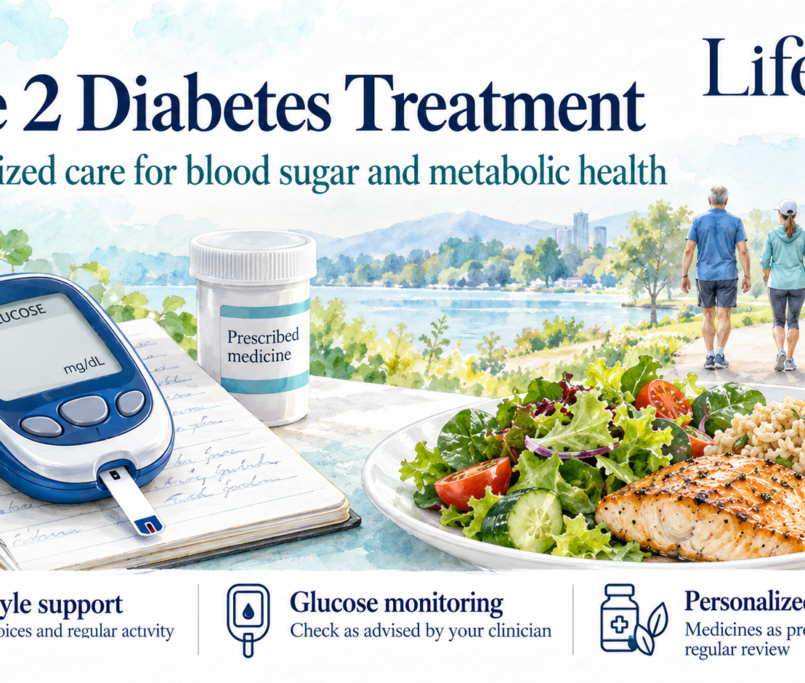
Type 2 diabetes has different treatment requirements. Some people manage their glucose with lifestyle changes, while others need medicines or insulin. Decisions depend on the person’s condition and response, together with other medical considerations. Needing medication should not be treated as a personal failure. [3]
Patients should understand which type of diabetes they have and why particular treatments are recommended. If the diagnosis is uncertain, further assessment may be needed. A clear explanation provides a safer foundation than applying another person’s treatment experience to your own circumstances.
Understanding the Minimum Dose Treatment Philosophy
LS Clinics describes its approach as “minimum dose treatment,” with attention to interactions between multiple hormones. Patients can ask the treating doctor how this philosophy applies to their diagnosis and what evidence will be used to judge the response.
Prescribing should provide an effective treatment at an appropriate dose. A lower dose is helpful when it meets the person’s clinical needs safely. The phrase does not mean that necessary medicines should be reduced automatically or that every patient can manage diabetes without medication.
Treatment changes should therefore be supervised. Improved readings may indicate that the current plan is working, and stopping treatment independently can undermine that progress. Ask for clear instructions whenever a medicine is started, adjusted or discontinued.
Dietary Changes That Fit Everyday Life
LS Clinics emphasises dietary and lifestyle changes within diabetes management. A practical nutrition conversation begins with familiar meals, portion sizes, snacks and drinks. Recommendations become more useful when they account for cultural preferences, budget and the people who prepare food at home.
Carbohydrates affect blood glucose, and meal planning can help patients understand suitable amounts and combinations. Vegetables, protein foods and appropriate carbohydrate portions can form part of a balanced eating pattern. The plate method and carbohydrate counting are possible approaches, depending on individual needs. [4]
Patients should ask how dietary recommendations fit their medicines and other health conditions. Food advice may need adjustment during pregnancy or when kidney problems or recurrent low glucose are present. Avoid treating a meal plan developed for someone else as automatically suitable.
An achievable starting point might be discussing drinks, reviewing meal portions or organising food around working hours. The specific changes should be agreed during assessment, with a plan for reviewing how they work in practice.
Physical Activity and Sustainable Daily Habits
Regular physical activity can support diabetes management and general wellbeing. Appropriate choices depend on fitness, mobility, other medical conditions and treatment. Walking may be suitable for some patients, while others benefit from activities adapted to their abilities. [5]
People using insulin or certain glucose-lowering medicines should discuss how activity affects the possibility of low glucose. The clinician can explain whether monitoring or other precautions are needed when activity changes. Medication adjustments should follow individual professional advice. [5]
LS Clinics also describes an interest in walking clubs. Patients can enquire about current activities and whether participation would suit their circumstances. Sleep patterns, stress and irregular schedules can also be raised during consultation when they make daily care difficult.
HbA1c and Glucose Monitoring
HbA1c remains an established measure of average blood glucose over approximately three months. It helps assess longer-term management and informs treatment discussions. Individual glucose readings provide different information about what is happening at specific times. [6]
Certain conditions can make HbA1c less reliable. Changes in red blood cells, some haemoglobin variants and other medical circumstances can affect interpretation. When the result differs from other findings, the treating doctor should assess the discrepancy and consider appropriate alternatives. [6]
Home monitoring may involve a glucose meter or continuous glucose monitoring when clinically appropriate. Continuous monitoring uses a sensor to estimate glucose levels throughout the day and night. The method chosen should suit the patient’s needs and treatment. [7]
Ask when to check, what to record and which results require contact. Monitoring is most useful when patients understand how the information will guide decisions. Bring the records requested by your doctor rather than collecting measurements without an agreed purpose.
Results become easier to interpret when the doctor understands their context. If requested, note whether a measurement was taken before or after a meal and whether symptoms occurred. Bring the device or reports recommended by the clinic so that the review uses the information available to you.
Type 2 Diabetes Remission and Continued Care
Some people with type 2 diabetes can achieve remission. The generally accepted definition is HbA1c below 6.5% for at least three months without usual glucose-lowering medication. The treating doctor must establish whether these criteria apply and whether the measurement is reliable. [8]
Remission is not a guaranteed outcome or a permanent cure. Blood glucose may rise again, so continued monitoring remains necessary. Reviews of relevant diabetes-related health concerns should continue even when the criteria for remission have been met. [8]
Patients comparing the best diabetes care services near me should look for realistic explanations of possible outcomes. Better control can still be a worthwhile treatment goal when remission is not achievable. Clinical progress should be assessed according to the person’s condition and the agreed aims of care.
Reviewing Health Throughout the Body
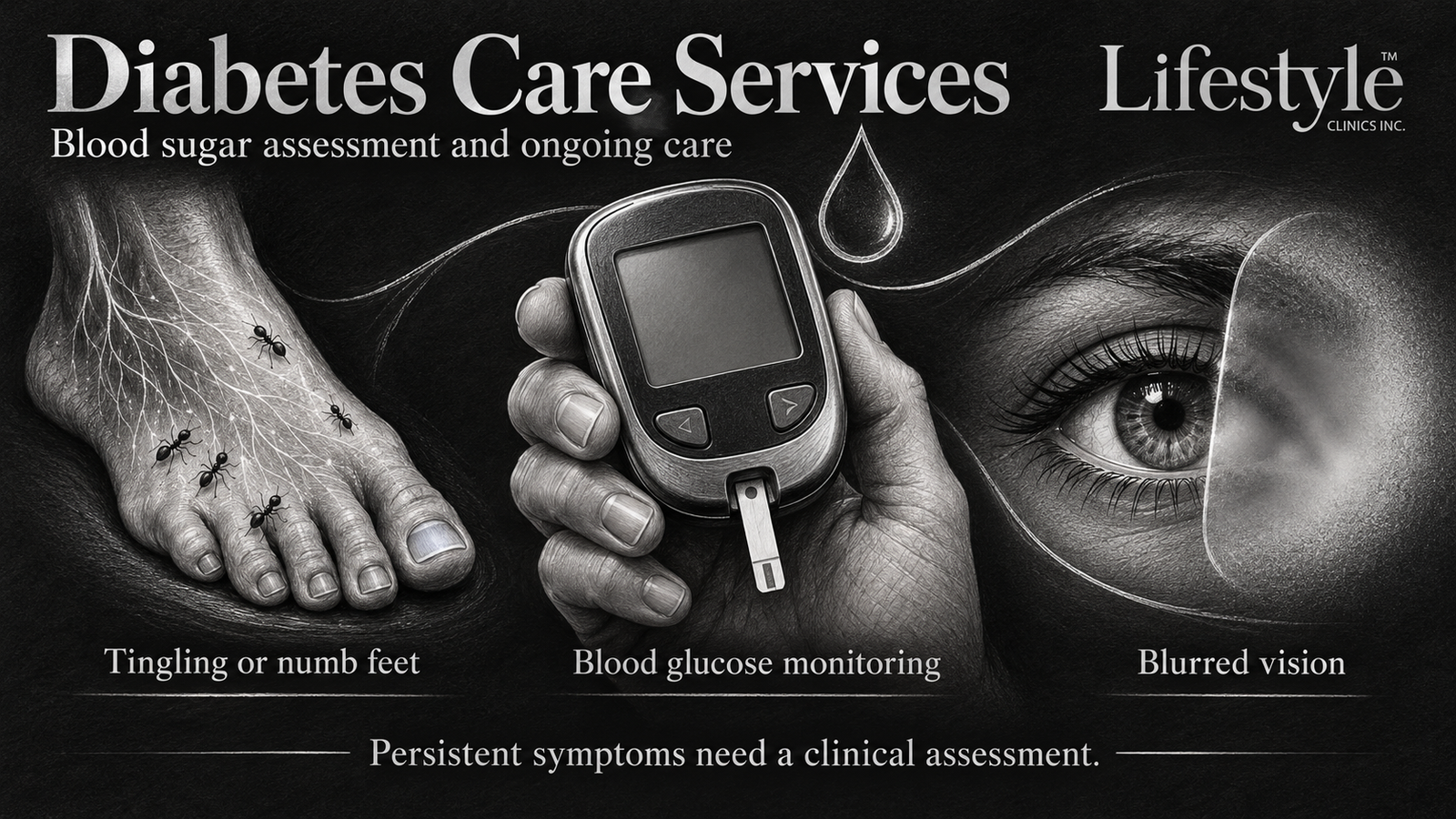
Diabetes care extends beyond glucose readings because the condition can affect several organs and systems. Appropriate assessment may consider blood pressure, cholesterol, kidney function, eyes and feet. The checks required and their timing depend on the patient’s clinical needs. [9]
Report new concerns rather than assuming they are unrelated or an unavoidable part of diabetes. Changes in vision, altered foot sensation or difficulties carrying out daily care deserve discussion. The doctor can determine whether examination, investigation or another professional’s input is needed.
Severe confusion, seizures or loss of consciousness require urgent attention. Vomiting with abdominal pain or deep, difficult breathing can also indicate a serious diabetes emergency. These situations require prompt medical care rather than waiting for a scheduled consultation. [10] [11]
Managing Care Between Appointments
The period between visits is when patients discover whether a plan fits everyday life. Keep the instructions accessible and record questions that arise while following them. If the clinic provides written recommendations, check that they match your understanding before you leave.
Ask how to raise concerns between scheduled reviews and what arrangements apply when the treating doctor is unavailable. Confirming these details in advance helps you understand where to seek advice when a prescription, symptom or reading raises a question.
A change in routine may also warrant discussion. Travel, religious fasting, shift changes or a new medicine prescribed elsewhere can affect how the existing plan is followed. Inform the clinician about significant changes and request individual instructions rather than making assumptions based on a previous routine.
Education and Individual Patient Experiences
LS Clinics describes lectures, seminars and workshops held internationally and online. Patients can ask about current educational opportunities and the topics they cover. Such activities may help people develop questions for their own consultations and understand practical aspects of care.
The clinic’s diabetes testimonials highlight experiences of tailored recommendations and supportive staff. These accounts describe individual experiences. They should be considered alongside the patient’s own assessment, since results depend on the condition, treatment response and personal circumstances.
When looking for the best diabetes care services near me, patient experiences can help identify questions about communication and support. They provide a starting point for enquiries, while the consultation establishes what the service can offer for your particular needs.
Educational sessions are also an opportunity to distinguish general information from personal instructions. Note the questions that relate to your own diagnosis and bring them to the treating doctor. This helps connect what you learn with the assessment, prescriptions and follow-up arrangements already agreed for your ongoing individual diabetes care.
Preparing for a Useful Consultation
Bring recent laboratory reports, relevant clinic letters, your current medicine list and any glucose records requested. Include supplements and medicines taken occasionally. Clear information helps the doctor review the existing plan and identify questions that need further attention.
Write down your priorities before the appointment. You may want to understand a diagnosis, discuss a medicine or find a more workable daily routine. Explaining the issue that affects you most helps the consultation address a concrete concern.
If you would like a family member involved, ask about attendance arrangements and decide what you are comfortable sharing. Someone who helps organise meals or prescriptions may find the instructions useful. Patients should remain involved in decisions about their own care.
Before the consultation ends, summarise the agreed actions in your own words. This can reveal misunderstandings about investigations, prescriptions or review dates. Ask for clarification if an instruction seems inconsistent with an earlier recommendation, and make sure you know which plan currently applies.
Frequently Asked Questions
What Makes Diabetes Care Personalised
Personalised care considers the type of diabetes, medical history, current findings and everyday circumstances. The recommendations should reflect an identified need and be reviewed over time. This gives patients a clearer understanding of why their plan may differ from someone else’s.
Can I Request a Review of Existing Treatment
When requesting an appointment, explain that you already receive diabetes treatment and describe what you would like reviewed. Bring prescriptions and previous results. Continue following existing instructions unless the treating clinician advises a change after assessment.
Does Every Patient Need Hormone Tests
Hormonal investigations should follow clinical indications. The doctor may recommend additional assessment when symptoms or findings suggest another concern. Ask which question each test will answer and how the result could affect decisions about your care.
Can Diet Replace Insulin in Type 1 Diabetes
No. Type 1 diabetes requires insulin treatment. Dietary planning and physical activity support management, but they cannot replace insulin. Any changes to the prescribed insulin plan should be discussed with the treating clinician.
Can Type 2 Diabetes Improve Without Remission
Yes. Treatment can improve glucose management even when remission is not achieved. Appropriate goals depend on the individual. The doctor should explain how progress will be assessed and which benefits the plan is intended to provide.
Why Is HbA1c Still Used
HbA1c provides information about average glucose over approximately three months. It remains an established part of diabetes assessment and monitoring. Certain conditions affect its reliability, so interpretation may need to include other measurements and relevant medical information.
How Often Should Follow Up Take Place
The interval should be agreed with the treating doctor. Recent treatment changes, unresolved symptoms or difficulties meeting goals may require earlier review. Ask when to return, what records to bring and which developments justify contacting the service sooner.
Are Testimonials a Prediction of My Results
No. Testimonials describe individual experiences and cannot predict another patient’s response. Your own assessment, diagnosis and progress determine the recommendations appropriate for you. Ask the clinician what outcomes are realistic in your particular circumstances.
Can Online Education Replace an Appointment
Lectures and workshops can support general understanding, but they do not provide an individual clinical assessment. Questions about your diagnosis, medicines or changing symptoms should be addressed through the appropriate consultation and review process.
What Should I Confirm Before Booking
Confirm the appointment location, consultation format, fees and any instructions about reports or preparation. Ask how appointment requests are confirmed. The clinic’s international description should not be taken as confirmation that a particular service is available in every location.
Request a Diabetes Consultation at LS Clinics
Patients can request a consultation by providing their name, mobile number, email address, selected health concern and preferred appointment date. Confirm availability and the practical arrangements with the clinic before attending or making travel plans.
The listed Asia headquarters is Al-Razi Building #10, Dubai Healthcare City, Dubai. Enquiries can be directed to +92 321 786 9227, +92 321 970 0700, or info@lsclinics.com. [1]
If you are searching for the best diabetes care services near me, LS Clinics offers a framework for discussing diabetes within endocrinology, lifestyle and metabolic health. An individual consultation establishes your clinical priorities and the recommendations to review with the treating doctor over time.