Type 2 Diabetes Treatment Services and Metabolic Care at LS Clinics
Searching for type 2 diabetes treatment services near me often starts with questions about a recent diagnosis, changing glucose readings or an existing treatment plan. You may want to understand your medicines, improve daily habits or discuss whether remission is possible. A useful consultation connects these concerns with an individual assessment and a practical plan for continuing care.
LS Clinics brings diabetes care into a broader approach to endocrinology, lifestyle and metabolic health. Its stated philosophy considers the relationship between daily habits, hormonal function and underlying influences on health. For patients with type 2 diabetes, this creates an opportunity to discuss glucose management alongside the routines and health concerns that affect everyday life.
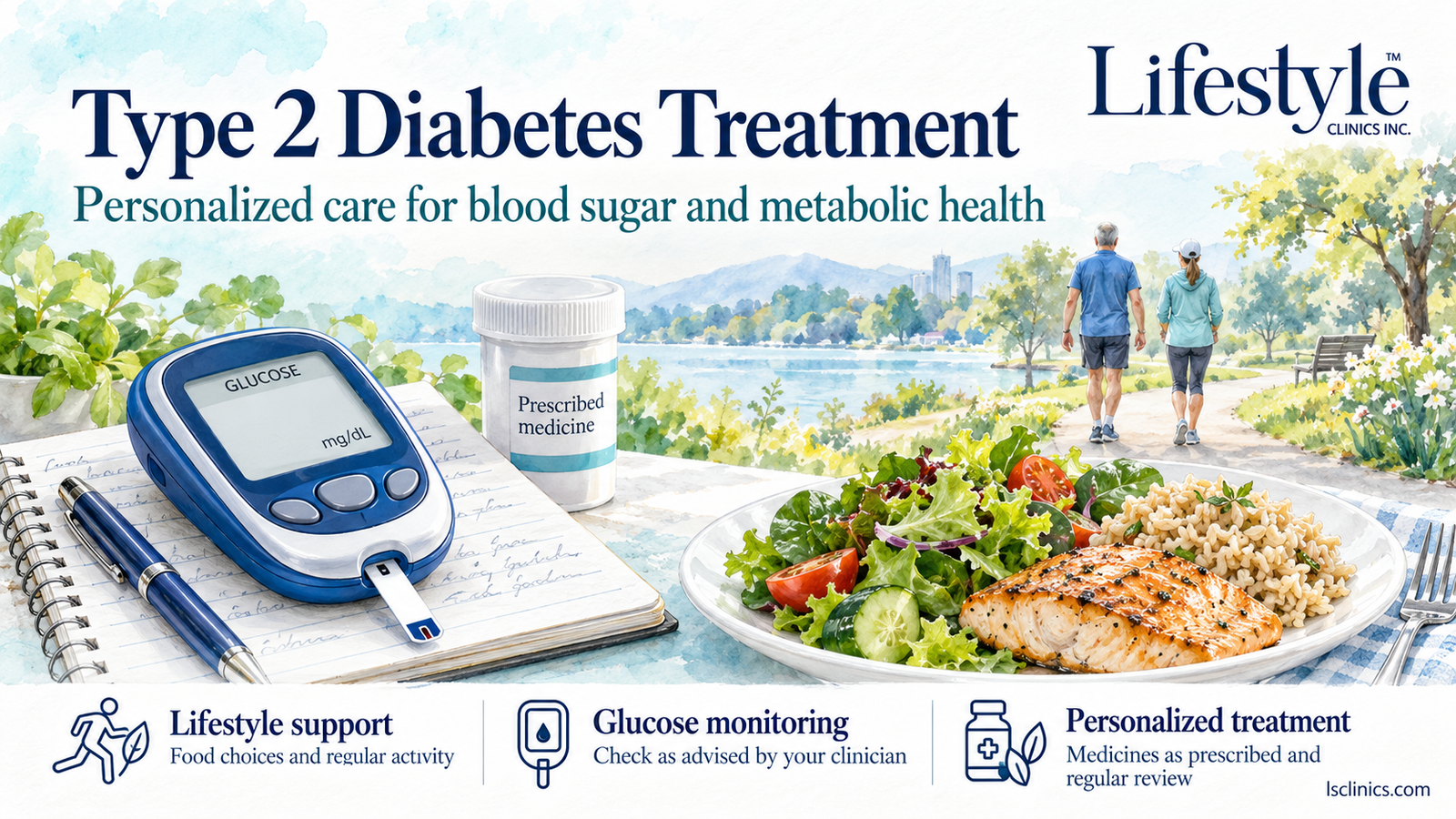
Treatment can involve dietary changes, physical activity, medication and regular monitoring. Some people achieve remission, while others continue to need medicines or insulin. The appropriate approach depends on clinical findings and individual circumstances. Patients should confirm consultation arrangements and the specific diabetes support available when contacting LS Clinics.
Understanding Type 2 Diabetes and Insulin Resistance
Insulin helps glucose enter the body’s cells for energy. In type 2 diabetes, the body does not use insulin effectively and may not produce enough to meet its needs. Glucose then remains elevated in the bloodstream. Treatment addresses this problem while considering other aspects of health that influence the patient’s overall risk.
Insulin resistance means that cells respond less effectively to insulin. The pancreas may initially compensate by producing more, but this response may become insufficient over time. This helps explain why treatment requirements can change even when someone is making consistent efforts with food and activity. Reviewing the plan is part of managing the condition.
Type 2 diabetes has several contributing factors, including family history, activity and weight related influences. It can occur at different ages and should not be reduced to a judgement about willpower. An assessment should establish your current needs and identify changes that are realistic, clinically appropriate and sustainable.
Symptoms and the Importance of Assessment
Possible symptoms include increased thirst, frequent urination, tiredness, blurred vision and slow healing wounds. Some people notice tingling in their feet or unexplained weight loss. Symptoms may develop gradually or be absent, so feeling well does not reliably show whether blood glucose is within the desired range.
Doctors diagnose diabetes using appropriate laboratory tests, interpreted alongside the clinical history. These may include HbA1c or blood glucose measurements. A home glucose meter can provide monitoring information, but it should not be used to diagnose diabetes independently. Ask what a result means and whether further testing is needed.
People comparing type 2 diabetes treatment services near me should look for an assessment that explains the diagnosis and its implications. Bring previous reports and mention any treatment already started. If the diagnosis or pattern of symptoms is uncertain, the doctor can decide whether additional investigations are appropriate before making recommendations.
The LS Clinics Approach to Metabolic Health
LS Clinics traces its origins to a small practice established in California in 1990. It describes an international presence and operates under Medical PLC Holdings Group. Its approach brings lifestyle considerations into endocrinology, with attention to the interaction of multiple hormones and the factors influencing a person’s health.
The clinic describes its philosophy as “minimum dose treatment.” Patients can ask how this principle applies to their diagnosis, medicines and monitoring plan. In diabetes care, the relevant aim is an appropriate and effective treatment regimen, with adjustments determined by response and ongoing clinical requirements.
Dietary and lifestyle changes form an important part of the clinic’s stated emphasis. These measures should be considered alongside established assessments and any medication that remains necessary. A broader discussion of metabolic health can help patients raise concerns without assuming that every symptom has the same cause or requires the same investigations.
Five Stages of Diabetes Assessment and Care
Medical Interview
The clinic’s treatment framework begins with a medical interview. This provides an opportunity to discuss symptoms, previous diagnoses, family history and current treatment. Explain your usual eating patterns, activity and working hours. Mention difficulties with medicines or appointments so the discussion reflects the circumstances in which you manage your health.
Investigations
Investigations should follow the clinical assessment. Your doctor may review previous results and request tests relevant to your condition. Ask what each investigation is intended to clarify and whether preparation is required. Bring the original reports where possible, including dates and units, so results can be compared accurately.
Diagnosis
The doctor interprets the history and findings to establish or review the diagnosis. This stage should explain what is known, whether further clarification is needed and which clinical priorities require attention. Understanding the diagnosis helps patients see why particular recommendations have been made and how progress will be assessed.
Treatment
Treatment recommendations may address food choices, physical activity, medicines and glucose monitoring. Ask for clear instructions about any prescription change and how to follow it at home. Discuss what improvement would look like for you, when the plan will be reviewed and which symptoms or readings should prompt earlier advice.
Follow Up
Follow-up allows the treating doctor to reconsider recommendations according to your response. Bring glucose records, questions and an honest account of any difficulties. A plan may need to change as health, medication tolerance or daily responsibilities change. Regular review supports continuity and helps identify problems before they become established obstacles.
Building an Eating Plan That Fits Daily Life
Food choices are central to managing type 2 diabetes, but an eating plan should also provide adequate nutrition and fit everyday circumstances. Discuss your usual meals, preferences and budget. A clinician or dietitian can help you identify practical changes rather than expecting you to follow an unfamiliar menu indefinitely.
Carbohydrate foods influence blood glucose, and portion sizes matter. Balanced meals can include nonstarchy vegetables, suitable protein foods and appropriate carbohydrate portions. Familiar foods such as rice, roti or lentils can be discussed within an individual plan. The aim is to understand amounts and meal composition rather than make decisions from a food’s reputation alone.
Explain changes in appetite, delayed meals or difficulty obtaining suitable food. These details can affect the safety and practicality of treatment, particularly with medicines that may cause low glucose. If you plan fasting or a substantial dietary change, discuss it with your treating clinician so medication and monitoring instructions can be reviewed.
For example, someone working rotating shifts may find that a standard breakfast, lunch and dinner schedule does not fit their day. Describing actual meal times helps the clinician assess medication timing and monitoring needs. A simple record of food, symptoms and prescribed doses can make that discussion more precise and reveal where support is needed.
Physical Activity and Weight Management
Regular physical activity can support glucose management and wider health. The appropriate starting point depends on your current fitness, other conditions and any limitations. Walking may be practical for some people, while others need adapted activities. Ask how to build activity gradually and whether your treatment requires additional precautions around exercise.
For people with type 2 diabetes who have overweight or obesity, sustained weight loss can improve metabolic outcomes. Current diabetes standards describe benefits from losing around 5% to 7% of starting weight, with goals adapted to the individual. This is a discussion about health needs, not a universal target for everyone with diabetes.
Some patients benefit from structured weight management, appropriate medication or assessment for metabolic surgery. Suitability depends on clinical criteria and personal circumstances. These are options to discuss with the treating doctor, not services that should be assumed available through every clinic. Ask what assessment or referral would be needed.
Medicines and Individual Treatment Decisions
Many people with type 2 diabetes need medication alongside lifestyle changes. Treatment can include tablets, injectable medicines or insulin. The choice depends on glucose levels, other medical conditions, potential adverse effects and practical considerations. Prescriptions should be explained in terms of what each medicine is intended to achieve.
Some treatments can provide benefits for particular heart or kidney conditions as well as glucose management. Consequently, medication decisions should consider more than whether one reading appears satisfactory. Your doctor may take cardiovascular risk, kidney function, weight goals and the risk of low glucose into account when reviewing treatment.
Ask about expected benefits, possible side effects and what to do if a medicine is difficult to tolerate. Include nonprescription products and supplements in your medication history. A practical review can also address cost, availability and missed doses. Do not stop or alter prescribed treatment simply because a few readings have improved.
When Insulin May Be Needed
Some people with type 2 diabetes require insulin, either for a particular period or as continuing treatment. The need depends on clinical circumstances, including the degree of high glucose and the body’s ability to meet its insulin requirements. The treating doctor should explain why insulin is being considered and how its effects will be monitored.
Using insulin does not mean that food choices and activity have become irrelevant. These elements continue to support care, while education helps patients use the prescribed regimen safely. Ask about administration, monitoring, low glucose precautions and the instructions relevant to illness or changes in routine.
Type 1 diabetes is different and requires insulin treatment, which dietary or lifestyle changes cannot replace. Establishing the type of diabetes therefore matters before discussing any reduction in treatment. For either type, adjustments should follow an individual clinical assessment and the treating doctor’s instructions.
Understanding Type 2 Diabetes Remission
Some people with type 2 diabetes achieve remission. The usual definition is maintaining HbA1c below 6.5% for at least three months without usual glucose-lowering medication. This describes a clinical state that requires appropriate assessment. It should not be presented as a guaranteed outcome or a permanent cure.
Remission varies between individuals. Continued monitoring remains necessary because glucose can rise again, and other diabetes related health assessments still matter. A person whose results improve should discuss the meaning of those results with their doctor rather than assume the condition has disappeared.
Patients searching for type 2 diabetes treatment services near me may understandably ask whether remission is possible for them. The consultation should consider their diagnosis, treatment history and clinical findings. Medication must not be stopped simply to test whether remission has occurred; any reduction needs a supervised plan and continued review.
HbA1c and Blood Glucose Monitoring
HbA1c provides information about average glucose over approximately three months and remains an established assessment tool. Certain conditions affecting haemoglobin or red blood cells can reduce its reliability. If HbA1c and home readings appear inconsistent, the doctor can decide whether further assessment or alternative monitoring is needed.
Home testing requirements differ between patients. Someone using insulin or a medicine associated with low glucose may need a different schedule from someone on another regimen. Monitoring should answer a clear clinical question and connect with an agreed response plan. Your doctor should explain when and how often to check.
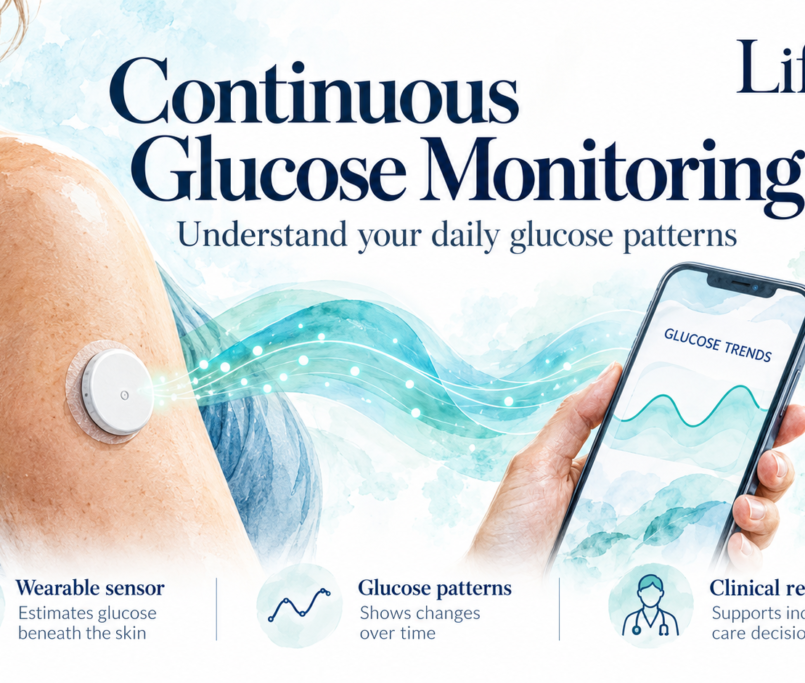
A continuous glucose monitor, or CGM, estimates glucose in the fluid between cells and can show patterns over time. Suitability depends on individual needs and device requirements. Ask whether CGM assessment is relevant to your care and confirm the available device support, costs and review arrangements.
Protecting Health Beyond Glucose Numbers
Type 2 diabetes care also involves blood pressure, cholesterol and appropriate assessment of kidney, eye and foot health. The timing of these reviews depends on the patient’s circumstances. Improved glucose readings should be considered within this wider care plan rather than used as a reason to overlook other assessments.
Report new foot wounds, changes in vision or other persistent symptoms promptly. A routine review gives you an opportunity to raise concerns, but a new problem may need earlier attention. Ask which changes require an urgent appointment and how to contact the appropriate service.
LS Clinics describes its approach as considering health throughout the body. Patients can use this broader discussion to understand which findings require attention and how care should be coordinated. Recommendations should remain linked to the medical history, investigations and individual clinical needs.
Recognising Low Glucose and Serious Illness
Insulin and some other diabetes medicines can cause hypoglycaemia, or low blood glucose. Symptoms can include shaking, sweating, hunger, dizziness or confusion. Ask for instructions explaining how to recognise and treat a low and when to seek additional help. Repeated episodes should prompt a review of the treatment plan.
Severe confusion, seizures or loss of consciousness require emergency assistance. Family members or carers should understand the emergency instructions relevant to your treatment. Someone who cannot swallow safely should not be given food or drink by mouth; follow the emergency plan and use prescribed rescue treatment as instructed.
High glucose accompanied by vomiting, abdominal pain, rapid breathing or increasing drowsiness can also indicate a serious problem. Seek urgent medical assessment when these symptoms occur. Ask for illness instructions in advance, including which medicines may need review and how to obtain timely advice.
Education and Continuing Support
LS Clinics describes educational activities including lectures, seminars and workshops internationally and online, together with an interest in walking clubs. Patients can enquire about current activities and whether they fit their needs. Education is useful when it helps someone apply clinical advice between appointments.
Diabetes self-management education can cover medicines, monitoring, food choices and problem solving. Ask for a demonstration if you are unsure about a device or treatment instruction. Explaining the plan back to the clinician can also reveal misunderstandings before they affect care at home.
The demands of diabetes can affect emotional wellbeing. Feeling overwhelmed, avoiding checks or struggling to attend reviews deserves discussion. Support should address the practical or emotional difficulty involved. The clinic’s testimonials describe individual experiences of tailored care and supportive staff, while outcomes depend on each patient’s condition and circumstances.
Comparing Type 2 Diabetes Treatment Services Near Me
When comparing services, ask who will conduct the assessment, how treatment decisions are explained and what follow-up includes. Confirm which investigations, monitoring reviews and educational support are available. These details help establish whether the arrangements match your clinical needs and everyday responsibilities.
Discuss consultation fees and any additional costs for tests, devices or replacement supplies. Ask whether you should bring existing equipment or printed records. If another clinician is involved in your care, explain those arrangements so recommendations can be coordinated where appropriate.
Location matters when it affects your ability to maintain care. Confirm the consultation address and appointment process before travelling. A useful local service provides a workable route to assessment and review, with clear instructions about routine questions and urgent concerns.
Frequently Asked Questions
Can type 2 diabetes occur without obvious symptoms
Yes. Symptoms can be mild, develop gradually or be absent. Appropriate testing helps establish the diagnosis. Do not assume that feeling well means your glucose is within the desired range, particularly when previous results or risk factors require assessment.
Can lifestyle changes replace every diabetes medicine
Treatment needs differ. Some people improve substantially with lifestyle changes, while many require medicines or insulin. Your treating doctor should decide whether a prescription can be reduced and explain the monitoring needed after any change.
Is type 2 diabetes remission a permanent cure
Remission is not a guarantee that glucose will remain below the diabetes threshold indefinitely. Continued monitoring and appropriate health reviews remain necessary. Discuss what remission means in your circumstances and avoid stopping medication without a supervised plan.
Does everyone with type 2 diabetes need insulin
No. Some people need insulin and others use different treatments. The decision depends on individual clinical requirements. If insulin is recommended, ask why it is needed, how to use it and how its effectiveness will be reviewed.
Should everyone follow the same eating plan
An eating plan should reflect nutritional needs, medicines, preferences and daily routines. Discuss familiar foods and practical difficulties with your clinician or dietitian. A plan you can maintain is more useful than one that is unsuitable for your circumstances.
Do I need to check glucose every day
Your monitoring schedule depends on treatment, safety concerns and the information needed for clinical decisions. Ask which checks are necessary and when the schedule should be reviewed. Avoid adopting another person’s testing routine without advice.
What does minimum dose treatment mean at LS Clinics
The clinic uses this phrase to describe its treatment philosophy. Ask how it applies to your own prescriptions. The priority remains an appropriate, effective regimen, with any reduction or adjustment based on clinical findings and response over time.
What should I bring to my consultation
Bring recent reports, your medicine list and available glucose records. Include questions about symptoms, side effects or practical difficulties. Explain other medical conditions and any treatment already recommended so the consultation can consider your circumstances accurately.
How do I choose type 2 diabetes treatment services near me
Compare assessment, monitoring support, education and follow-up arrangements. Confirm the location, available services and costs. Ask how results will be reviewed and how to obtain advice so the decision reflects the support you will actually receive.
Can I contact LS Clinics about type 2 diabetes care
Yes. Contact the clinic to request a diabetes consultation and discuss your concern. Explain whether you need assessment after a recent diagnosis, review of existing treatment or advice about ongoing monitoring so appointment arrangements can be clarified.
Requesting a Diabetes Consultation at LS Clinics
Patients can request a consultation by providing their name, mobile number, email address, selected health concern and preferred appointment date. Mention type 2 diabetes and ask whether reports or glucose records should be available before the visit.
The clinic lists its Asia headquarters at Al-Razi Building #10, Dubai Healthcare City, Dubai. Enquiries can be directed to +92 321 786 9227, +92 321 970 0700, or info@lsclinics.com. Confirm the appropriate consultation location when booking.
If your search for type 2 diabetes treatment services near me has brought you to LS Clinics, contact the team to discuss an individual assessment. The consultation can clarify your priorities and establish how lifestyle measures, necessary treatment and follow-up should work together over time.