Signs and Symptoms of Diabetes and When to Seek Medical Care
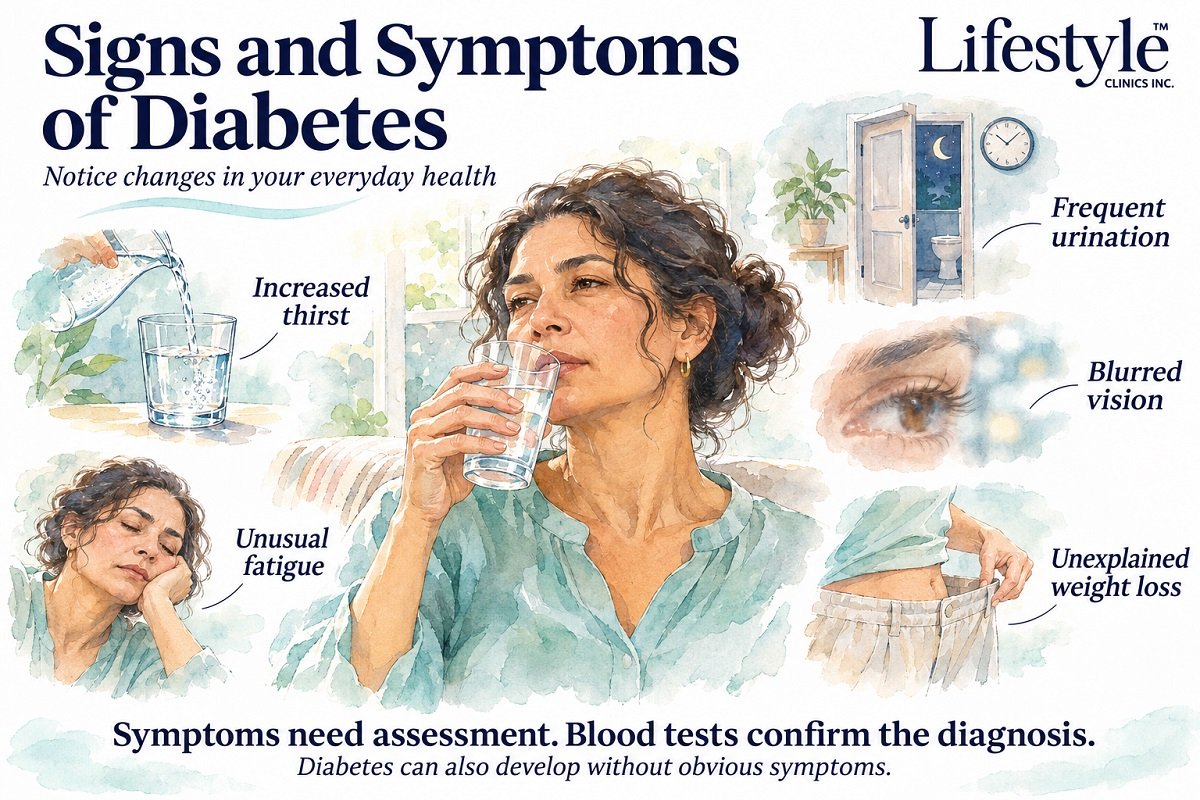
The signs and symptoms of diabetes may first appear as changes in ordinary routines. You refill your water bottle more often, wake during the night to urinate or feel unusually drained despite resting. Some people notice blurred eyesight, persistent hunger or weight loss they cannot explain. These changes deserve assessment, especially when several occur together or become more pronounced.
Diabetes can also remain quiet. Feeling well does not establish that glucose levels are normal, and symptoms alone cannot confirm a diagnosis. Blood tests provide the evidence needed to decide what is happening and whether treatment is required.
For people searching for diabetes care near me, LS Clinics offers a setting for discussing these concerns within endocrinology, lifestyle and metabolic health. Assessment should connect what you are experiencing with your history, examination and investigations. Severe illness, breathing difficulty or altered consciousness requires emergency care before any routine consultation.
Why Diabetes Produces Symptoms
Insulin helps glucose move from the circulation into cells, where it can supply energy. Diabetes develops when insulin production is insufficient, its action is impaired, or both problems occur together. The resulting glucose elevation can affect hydration, energy use and other body functions. Understanding this relationship explains why a metabolic disorder can produce symptoms in several different places.
The pattern varies with the diabetes type, how quickly glucose rises and the person’s circumstances. A relative’s experience may therefore differ considerably from your own. The absence of a particular symptom, including weight loss, does not settle whether testing is needed.
Frequent Urination and Persistent Thirst
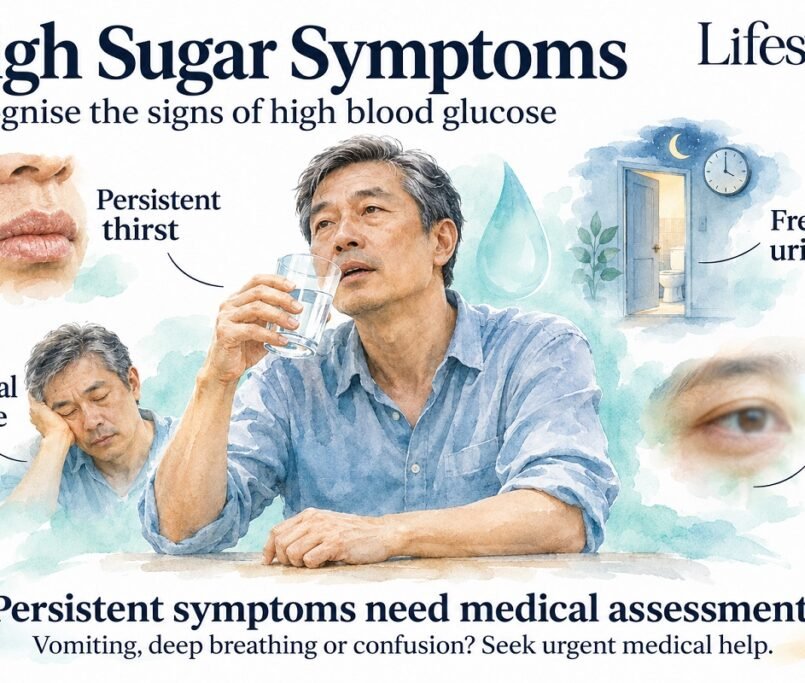
When glucose accumulates excessively, the kidneys may pass more of it into urine, carrying water with it. You may notice larger amounts of urine, more bathroom visits or repeated waking overnight. The associated fluid loss can leave you unusually thirsty. This cycle may continue even though you keep drinking.
Consider what has changed from your usual pattern. Drinking extra water after exercise has a different context from persistent thirst during an otherwise ordinary week. Tell the clinician about both daytime and nighttime changes, rather than mentioning only the symptom that bothers you most.
Tiredness and Increased Hunger
Glucose regulation problems can leave someone feeling persistently tired or unusually hungry. A meal may no longer seem satisfying, or everyday activities may require more effort. These symptoms are relevant when they accompany increased thirst, frequent urination or other changes associated with diabetes.
Fatigue has many possible explanations, so avoid treating it as a diagnosis by itself. Explain whether tiredness appeared suddenly, developed gradually or interferes with work and usual activities. A clear account helps the doctor decide which investigations will answer the clinical question.
Weight Loss Without a Clear Explanation
Unexpected weight loss can accompany diabetes, particularly type 1 diabetes. Losing glucose in urine also means losing energy, while fluid loss can contribute to changes on the scales. Someone may become thinner despite eating their usual meals or feeling hungrier. This pattern warrants prompt attention.
Bring any recent weight records if available. Clothes becoming looser can also help describe the change when you have not been weighing yourself. Do not assume that unplanned weight loss represents a successful improvement in metabolic health.
Blurred or Changing Vision
Raised glucose can alter fluid balance in the eye’s lens and interfere with focusing. Reading, driving or looking at a screen may become less clear. Diabetes can also damage the retina, sometimes without obvious early visual symptoms. An eye assessment can distinguish different causes of changing vision.
Mention whether the blurring is new, fluctuating or persistent. Sudden severe visual changes should receive urgent assessment. Waiting to see whether a new pair of glasses solves everything may delay recognition of a medical problem.
Repeated Infections and Delayed Healing
Recurring urinary infections, yeast infections or sores that heal slowly can be associated with diabetes. A person may initially seek help for the infection or wound and only later discover elevated glucose. Repetition, delayed recovery and accompanying symptoms make the wider history particularly useful.
Tell the doctor about treatments already tried and whether the problem returned. A wound needs assessment in its own right; glucose testing should form part of appropriate care without postponing treatment of the wound or infection.
Darkened Skin and Unusual Sensations
Thickened, darker skin with a velvety texture around the neck, armpits or groin may be acanthosis nigricans. This change can accompany insulin resistance and may occur with prediabetes or type 2 diabetes. It is a reason to discuss metabolic assessment, although a skin finding cannot independently establish diabetes.
Persistent tingling or reduced sensation in the feet or hands is another possible feature. Some people with type 2 diabetes only become aware of the condition after related health problems have developed. Describe these sensations during the consultation, including where they occur and whether they affect walking or daily activities.
How Type 1 Diabetes May Present
Type 1 diabetes involves immune damage to the pancreatic cells responsible for insulin production. It can begin in adulthood as well as childhood. The clinical presentation may include thirst, frequent urination and weight loss, with a risk of serious illness when insulin deficiency becomes pronounced.
Symptoms often become noticeable over days or weeks, although progression can be slower in adults. An adult with new symptoms should not assume that age rules out type 1 diabetes. The doctor may need additional testing to identify the diabetes type accurately.
How Type 2 Diabetes May Present
Type 2 diabetes often develops gradually as the body becomes less responsive to insulin and insulin supply becomes inadequate. Symptoms may be mild enough to blend into everyday life for a long period. Other people have no noticeable symptoms before testing reveals the condition.
Do not wait for a dramatic change before asking about assessment. A routine appointment is an opportunity to discuss persistent symptoms, previous abnormal results and relevant risk factors. If you are comparing diabetes clinics near me, ask how the consultation will address both diagnosis and subsequent care.
Symptoms in Children Need Prompt Attention
Parents may notice that a child asks for drinks constantly, visits the toilet repeatedly or starts wetting the bed after previously being dry. Reduced energy, irritability and becoming thinner can add to the picture. These changes can develop quickly and should prompt urgent medical assessment for possible diabetes.
Explain the changes to the healthcare professional and mention their timing. Do not delay seeking help while arranging a fasting appointment. If vomiting, abnormal breathing or marked drowsiness develops, seek emergency care immediately rather than waiting for a routine review.
Diabetes During Pregnancy Can Be Silent
Gestational diabetes frequently produces no clear symptoms. When symptoms occur, thirst and increased urination may be mild and easily attributed to pregnancy itself. Screening therefore matters even when someone feels well. Testing commonly takes place between 24 and 28 weeks, with earlier assessment when clinically indicated.
Tell the maternity team about previous gestational diabetes, earlier glucose results or new concerns. Pregnancy uses specific testing pathways and interpretation. Advice intended for a nonpregnant adult should not replace the plan agreed with the professionals managing your pregnancy.
When Symptoms Require Emergency Care
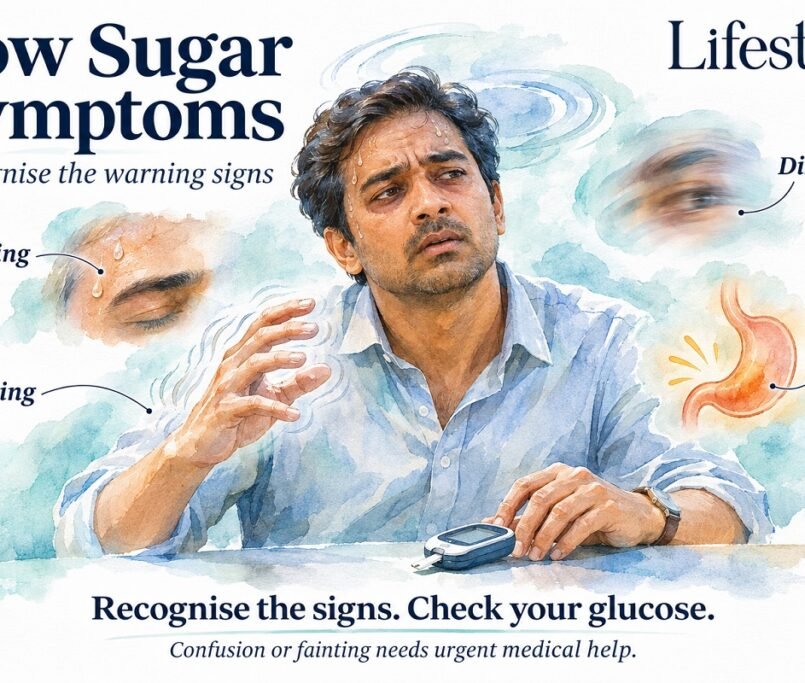
Vomiting, abdominal pain, fruity breath and rapid or deep breathing can signal diabetic ketoacidosis. This emergency develops when inadequate insulin allows ketones to accumulate. It can be the first presentation of diabetes, particularly type 1, and requires immediate hospital assessment. Someone who cannot keep fluids down or is becoming severely unwell should not wait for an outpatient booking.
Another emergency, hyperosmolar hyperglycaemic state, can occur with type 2 diabetes. Very high glucose and profound dehydration may lead to confusion, increasing sleepiness or loss of consciousness. Urgent medical help is necessary even if diabetes has never previously been diagnosed.
Contact local emergency services for impaired consciousness or serious breathing problems. A symptom search, online enquiry or home measurement should never become a reason to postpone emergency assistance.
Why Symptoms Need Blood Testing
The signs and symptoms of diabetes overlap with other conditions. Laboratory testing helps establish whether glucose regulation is abnormal, while the medical history helps explain the results. A home meter can supply useful information in some circumstances, but it does not independently provide a formal diabetes diagnosis.
For nonpregnant adults, diagnostic thresholds include HbA1c of 6.5% or higher, fasting plasma glucose of at least 126 mg/dL, or a two-hour glucose result of at least 200 mg/dL after a standard oral glucose tolerance test. A random plasma glucose result of at least 200 mg/dL can support diagnosis when classic symptoms or a hyperglycaemic crisis are present. Confirmation is generally required unless the clinical evidence is unequivocal.
Your doctor should choose the appropriate test and explain preparation. Ask whether fasting is required, when results will be available and how follow-up will occur. A borderline or unexpected result needs interpretation rather than conclusions drawn from an isolated number.
Understanding What HbA1c Can Show
HbA1c reflects average glucose exposure over roughly three months. It helps with diagnosis and ongoing assessment, but certain conditions affecting red blood cells or haemoglobin can distort the result. Relevant examples include some anaemias, recent blood loss or transfusion, and particular haemoglobin variants.
Tell the clinician about these circumstances and bring previous reports. When HbA1c and glucose measurements disagree, further evaluation may be needed. The result should be interpreted within the clinical picture, including how long symptoms have been present and whether urgent illness is suspected.
When Symptoms Continue Despite Reassuring Results
Reassuring glucose results can be helpful without explaining every symptom. If thirst, unexplained weight changes, urinary problems or fatigue continue, return to the clinician rather than repeatedly interpreting the same results yourself. Describe what has persisted, whether the pattern has changed and any new features that have appeared.
The next step should follow the unresolved clinical problem. Ask whether another assessment, a review of medication or a referral is appropriate. Keep copies of the original tests so the doctor can distinguish a new development from the earlier picture. A continuing conversation is more useful than assuming that one normal investigation closes every question about your health.
Assessment When There Are No Symptoms
Screening means checking for diabetes before symptoms prompt a consultation. This matters because prediabetes and type 2 diabetes may remain unnoticed. Discuss testing if you have relevant risk factors or an earlier abnormal result, even when your energy, appetite and bathroom habits seem unchanged.
The testing schedule should reflect your circumstances. Keep copies of results so future appointments can consider the pattern over time. Feeling well between tests is welcome, but it does not replace a recommended review.
Preparing for a Diabetes Consultation
Write down when symptoms began and how they affect ordinary activities. Include changes in drinking, urination, appetite, weight and eyesight. Describe previous infections or wounds that have been difficult to manage. Bring your current medication list, including supplements, and any laboratory or home monitoring records already available.
Try to explain what you observed before deciding what caused it. For example, the number of times you wake to urinate gives the doctor more information than simply saying your sugar must be high. If a family member noticed changes first, their account may help when you agree to share it.
Questions to Ask After Testing
Before the consultation ends, make sure you understand what the results establish and what remains uncertain. Ask whether diabetes has been confirmed, whether another test is required and who will communicate the final interpretation. If treatment begins immediately, ask which symptoms should improve, which changes require earlier contact and when the next review should take place.
Keep the written plan with your reports so you can refer to it later. If different clinicians are involved, explain what each has recommended and ask who is coordinating the diabetes assessment. This is particularly useful when an eye problem, infection or another complaint led to the original appointment and several services are providing care.
Before leaving, repeat the main instructions in your own words so the clinician can correct misunderstandings about tests, medicines or the next planned appointment.
Diabetes Assessment at LS Clinics
LS Clinics traces its beginnings to a practice established in California in 1990 and describes operations across several countries. It works under Medical PLC Holdings Group. Its philosophy connects hormonal function with daily habits and the underlying influences on a person’s metabolic health.
The clinic uses the expression “minimum dose treatment” for its approach to considering multiple hormones. For patients, the practical discussion should remain focused on clinical findings, suitable treatment and ongoing review. Medication requirements depend on the diagnosed condition and cannot be determined from a general philosophy alone.
People seeking diabetes assessment near me can enquire about the clinician, consultation location and arrangements for investigations. Confirming these details helps establish how an initial discussion will lead to decisions and follow-up.
The Five Stages of Clinical Care
Medical Interview
The first discussion gives your symptoms their clinical context. Explain the sequence of changes, existing diagnoses, family history and treatment already received. Mention pregnancy where relevant and describe your normal eating and activity patterns. The aim is to help the doctor identify the questions that assessment needs to answer.
Investigations
Testing should follow those clinical questions. The doctor may recommend glucose investigations, review previous reports or arrange other assessments suggested by your history. Ask what each investigation is intended to establish. Obtain preparation instructions directly, especially if you already take medication that affects glucose.
Diagnosis
The findings should clarify whether diabetes is present and, where possible, which type requires treatment. Discuss any uncertainty and whether additional investigations or referral are needed. Understanding the diagnosis helps you understand why the recommended plan may differ from a friend’s or relative’s treatment.
Treatment
A useful plan explains what to do, when to do it and how progress will be assessed. Discuss food, activity, monitoring and prescribed medicines in terms that fit your daily circumstances. Before leaving, clarify who to contact if symptoms worsen or you cannot follow the instructions safely.
Follow Up
Reviews provide an opportunity to compare symptoms and clinical results with the earlier assessment. Tell the doctor what improved, what persisted and which recommendations were difficult to apply. Treatment can then be reconsidered according to your response and continuing requirements, rather than repeated without checking its effect.
Food Choices and Daily Habits
LS Clinics includes dietary and lifestyle changes within diabetes management. A practical discussion should consider usual meals, access to food, working hours and activity. Recommendations are easier to sustain when they account for the circumstances in which you actually eat and move.
Healthy eating, suitable physical activity and attention to weight where appropriate can support diabetes care. These measures work alongside the treatment required for the person’s diabetes type. If medication can cause low glucose, substantial changes in food intake or exercise should be coordinated with the treating team.
Avoid judging progress only by whether thirst or tiredness disappears. Symptoms, laboratory results and the wider clinical assessment provide different information. Ask how your doctor intends to evaluate the plan over time.
Insulin and Other Medication Requirements
Insulin is essential treatment for type 1 diabetes and cannot be replaced by dietary changes or exercise. Some people with type 2 diabetes also require insulin, while others use different glucose-lowering medicines. Selection depends on clinical needs, treatment response and other relevant health considerations.
Report difficulties with treatment early. Ask for clear instructions about monitoring and what to do during illness. Changes should follow the treating doctor’s advice, including any existing written adjustment plan, rather than decisions based only on feeling better.
What Remission Means in Type 2 Diabetes
Some people with type 2 diabetes can reach remission. The usual definition involves HbA1c remaining below 6.5% for at least three months without the usual glucose-lowering medication. Continued observation remains necessary because glucose can rise again and ongoing health checks still matter.
Remission is neither a guaranteed outcome nor a promise of permanent cure. It does not describe the treatment needs of type 1 diabetes. Discuss whether this goal is appropriate for your circumstances and how any medication changes would be supervised.
Education and Continuing Support
LS Clinics describes educational lectures, seminars and workshops offered internationally and online, along with an interest in walking clubs. Patients can enquire about current activities and their suitability. Education should help people understand their condition and apply recommendations between consultations.
Its diabetes testimonials describe experiences of individual attention and supportive staff. Such accounts reflect the people who provided them. Your own progress will depend on your diagnosis, clinical circumstances and response to treatment. Follow-up gives those individual differences a place in the care process.
Questions About Signs and Symptoms of Diabetes
Can Diabetes Develop Without Weight Loss
Yes. The possible symptoms vary, and someone does not need to experience every recognised feature before diabetes is considered. Other changes or relevant risk factors may justify assessment. Testing provides clearer evidence than comparing yourself with a symptom checklist.
Does Feeling Better Mean Further Checks Are Unnecessary
Improvement is useful information, but the follow-up decision should also consider test results and treatment requirements. Keep the review recommended by your clinician and describe what changed. Ask how continued monitoring will be arranged after any initial improvement.
How Can I Arrange Diabetes Care Near Me?
Contact the clinic to discuss your symptoms and confirm the appropriate consultation arrangements. Mention any existing diagnosis or previous abnormal glucose results. If you are seriously unwell, seek urgent medical assessment instead of waiting for an appointment response.
Requesting an Appointment with LS Clinics
To request a diabetes consultation, provide your name, mobile number, email address, health concern and preferred appointment date. Explain the symptoms that prompted your enquiry and ask what records to bring. People looking for diabetes care near me should confirm the relevant appointment location directly.
LS Clinics lists Al-Razi Building #10, Dubai Healthcare City, Dubai as its Asia headquarters. For enquiries, call +92 321 786 9227 or +92 321 970 0700, or email info@lsclinics.com. A consultation offers the opportunity to discuss the signs and symptoms of diabetes and establish the next appropriate clinical steps.