Low Sugar Symptoms and Warning Signs of Hypoglycaemia
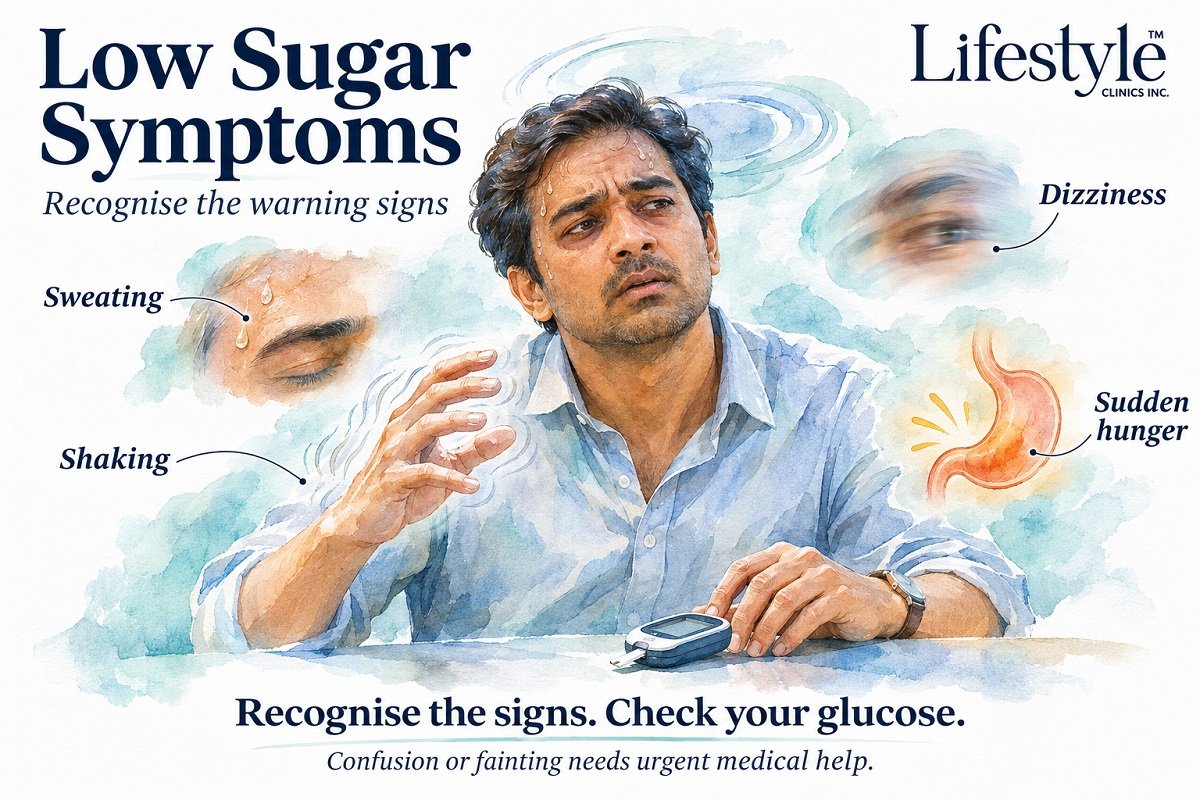
Low sugar symptoms can include shaking, sweating, sudden hunger, dizziness and a racing heartbeat. Some people become unusually irritable, struggle to concentrate or notice blurred vision. These changes can develop quickly. Recognizing a familiar pattern and checking glucose promptly can help prevent an episode from becoming more serious.
Seizures, unconsciousness or an inability to swallow safely require emergency help. Do not give food, drinks or oral glucose to someone who cannot swallow safely. Use prescribed glucagon if available and you know how, while arranging emergency assistance. Routine appointment booking must never delay treatment of a severe episode.
Once immediate safety has been addressed, recurring symptoms deserve a review of their cause. People searching for diabetes care near me can contact LS Clinics to discuss assessment and follow-up. Its approach places diabetes within endocrinology, lifestyle and metabolic health, with recommendations based on the patient’s clinical circumstances.
What Low Blood Sugar Means
Hypoglycaemia is the medical term for glucose falling below an appropriate level. For many people with diabetes, a reading below 70 mg/dL, approximately 3.9 mmol/L, is a warning threshold requiring action. Your diabetes team should explain your personal treatment threshold and how to respond when readings are falling.
A reading below 54 mg/dL, or 3.0 mmol/L, represents a more significant low. However, severe hypoglycaemia is defined by impaired functioning that requires another person’s help, regardless of the glucose number available. A person who is unconscious needs emergency treatment without waiting to obtain a particular reading.
The number and the person’s condition must be considered together. Someone may notice early symptoms and manage treatment independently, while another person deteriorates without much warning. A previous mild episode does not guarantee that future episodes will follow the same course.
Recognizing Early Low Sugar Symptoms
Shaking and Unexpected Sweating
Hands may tremble, the skin may become clammy or sweating may occur without an obvious explanation. Some people describe a sudden internal shakiness. These changes can occur while sitting quietly as well as during activity. If you use treatment that can cause hypoglycaemia, check glucose when these symptoms appear.
Sudden Hunger and Palpitations
Hunger can arrive abruptly, sometimes with a pounding or rapid heartbeat. Tingling around the lips, anxiety or irritability may accompany it. These sensations are not specific to low glucose, so testing helps clarify what is happening. Follow your agreed treatment plan when symptoms suggest a hypo and a reading is unavailable.
Dizziness and Reduced Strength
Feeling lightheaded, weak or unexpectedly tired may make ordinary tasks harder. You might need to stop an activity or sit somewhere safe. Mention whether these changes occur before meals, after exercise or near a medicine dose. Their timing can help the treating clinician identify circumstances associated with the episodes.
Changes in Thinking and Behavior
As glucose falls further, thinking and coordination may become impaired. A person may speak unclearly, answer slowly, seem confused or behave differently from usual. Blurred vision or difficulty walking can also occur. These signs can reduce the person’s ability to recognize the problem or organize treatment themselves.
Family members should take a sudden change seriously. If someone cannot cooperate with treatment or swallow reliably, do not force a drink or put food into their mouth. Obtain emergency help. Symptoms that persist despite glucose correction also need urgent assessment, because low sugar is not the only possible explanation.
Immediate Treatment When Swallowing Is Safe
For many adults with diabetes who are awake, cooperative and able to swallow safely, the usual approach is called the 15-15 treatment rule. Take 15 grams of fast-acting carbohydrate, wait 15 minutes and check glucose again. If the reading remains below 70 mg/dL, repeat the treatment. Follow any individual instructions from your diabetes team.
Glucose tablets or glucose gel can provide a measured amount when used according to their labels. Around 120 mL of fruit juice or regular, non-diet soft drink is another common option. Check the carbohydrate content because products vary. Diet drinks do not supply the sugar needed to correct a low.
Once glucose has recovered, eat the next meal if it is due, or an appropriate snack containing carbohydrate and protein. Chocolate and other fatty foods are slower choices for initial treatment because fat delays sugar absorption. Keep a suitable treatment available wherever you spend time. Children may need smaller amounts according to their prescribed plan.
Seek urgent assistance if treatment is not working, symptoms worsen or the person becomes less alert. Do not continue offering oral treatment after swallowing becomes unsafe. Someone who has recovered from a low may still need a clinical review, particularly when the cause is unclear or episodes are recurring.
Responding to Severe Hypoglycaemia
Call local emergency services if the person is unconscious, having a seizure or unable to manage treatment safely. Give prescribed glucagon according to its instructions if available and you know how to administer it. Glucagon can be supplied in different forms, including nasal products and injections. Emergency assessment remains necessary after its use.
Stay with the person. If they are unconscious but breathing normally, place them in the recovery position when appropriate and monitor their breathing. If breathing is abnormal or stops, follow the emergency dispatcher’s resuscitation instructions. Give nothing by mouth until the person is sufficiently alert and can swallow safely.
Being prepared matters before an emergency happens. People at risk should ask whether they need a glucagon prescription and ensure someone close to them understands its use. Check that the product is accessible and within its expiry date. A medical identification bracelet or card can help others recognize that diabetes may be involved.
Preparing Family Members to Help
Choose someone close to you who can recognize the warning signs and knows where treatment is kept. Ask the diabetes team to demonstrate the particular glucagon product prescribed, since instructions differ between products.
Agree how that person will obtain emergency help and communicate your medicine information. Review arrangements after a severe episode or when prescriptions change. Include people who regularly accompany you, with your agreement, so knowledge is not limited to one household member. Clear preparation can make the response easier when confusion prevents you from explaining what is happening or organizing treatment without assistance from another person nearby.
Why Episodes Can Happen
Medicines and Meal Timing
Insulin and medicines that stimulate insulin release can cause glucose to fall too far. Examples include sulfonylureas and meglitinides. Delayed meals, missed food or eating fewer carbohydrates than expected may change the relationship between the medicine taken and the glucose available. Discuss these situations with the treating team rather than guessing dose changes.
Physical Activity
Walking farther than usual, strenuous exercise or an active working day can affect glucose during the activity and afterwards. Ask how to monitor around exercise and whether your personal plan needs adjustments to food or medication. Carry a hypo treatment during activity rather than leaving it somewhere difficult to reach.
Alcohol and Illness
Alcohol can increase hypo risk in people using insulin or certain diabetes medicines, particularly without enough food. Its effects can also make warning symptoms harder to recognise. Illness can alter eating patterns and treatment needs. Ask for specific instructions when vomiting, poor appetite or another illness makes your usual routine difficult.
Not every person with type 2 diabetes has the same risk. The medicines prescribed, previous episodes and other health conditions help determine the precautions needed. Bring the actual medicine names and doses to appointments. Knowing only that a tablet is for diabetes may leave an important part of the assessment unclear.
Low Glucose During Sleep
Nighttime episodes may cause sweating, nightmares or waking with tiredness, headache or confusion. Some people do not wake while glucose is low. Damp bedding alone cannot establish the diagnosis, but repeated overnight symptoms or recorded low readings should be discussed with the diabetes team. Monitoring may help identify the pattern.
Keep your agreed hypo treatment within reach and ensure a household member knows what to do if you cannot respond normally. A continuous glucose monitor may provide alerts during sleep. Decisions about overnight insulin, food or device settings should follow an individual plan, with further review if episodes continue.
When Warning Symptoms Become Less Noticeable
Some people develop impaired awareness of hypoglycaemia and no longer experience their usual early warning signs. They may first recognize a problem when concentration or functioning is already affected. Repeated lows can contribute to this pattern. Reduced awareness warrants clinical attention even when the person feels comfortable with their current routine.
The clinician may reconsider glucose targets, medicines, monitoring and education. Explain any low readings without symptoms and any episodes another person noticed first. Feeling normal should not be used to dismiss a documented low. The aim is to reduce future episodes while maintaining appropriate overall diabetes management.
Monitoring and the Limits of HbA1c
A glucose meter provides information about the moment tested. Follow the device instructions, use suitable test strips and check that your testing technique is reliable. If the result conflicts with how you feel, repeat testing as instructed and obtain medical help when needed. Serious symptoms should not be ignored because a device appears reassuring.
Continuous monitoring shows glucose trends and may alert users to falling levels. Sensor readings sometimes need confirmation with a fingerstick, especially when symptoms do not match the display. Keep a working meter available and follow the manufacturer’s instructions. Technology supports the response plan; it does not remove the need to recognize deterioration.
HbA1c summarizes glucose exposure over approximately three months. It cannot identify the glucose level during a particular episode, and an average can conceal periods of low and high readings. Certain anaemias or conditions affecting red blood cells can also influence reliability. Interpretation should combine the result with clinical history and relevant monitoring records.
Making Meter Readings More Reliable
Before using a meter, wash and dry your hands and follow the test-strip instructions. Food or sugar on the fingers can distort a result. Use strips intended for that meter and check their expiry and storage requirements. If you are unsure about technique, ask a clinician or diabetes educator to watch you perform a test. Record unexpected readings along with symptoms and the circumstances in which they occurred. Do not use repeated testing as a reason to delay treatment of a suspected low when your agreed plan calls for action, or to postpone emergency help for someone who is deteriorating.
Symptoms in People Without Diabetes
Hypoglycaemia without diabetes is uncommon and requires appropriate assessment. Shakiness, fatigue or feeling better after a snack does not prove a glucose disorder. Clinicians look for symptoms occurring with a genuinely low glucose level and improvement when glucose is corrected, then investigate the circumstances rather than assuming a diagnosis from symptoms alone.
Depending on the history, assessment may consider medicines, alcohol, previous stomach surgery, serious illness or particular hormonal disorders. The relevant investigations differ between patients. Do not deliberately fast for long periods or provoke symptoms to demonstrate the problem. A clinician should decide whether supervised testing is needed and how it can be performed safely.
Planning for Changes in Routine
Discuss situations that regularly disrupt your day, rather than considering only an ideal routine. These may include shift work, delayed meals, travel or caring responsibilities. Ask how your existing plan applies when food is unavailable, exercise lasts longer than expected or a medical appointment requires preparation. Keep the instructions somewhere you can find them when circumstances change. A written plan should explain whom to contact if you cannot follow it safely. After a low, note which practical difficulty contributed, if known, so the next review can address that situation instead of repeating advice that does not fit your daily life. Check that you understand any changes proposed.
Practical Prevention and Driving Safety
Plan how meals, work and treatment fit together. Keep a measured source of fast-acting carbohydrate with you and replace supplies after use. Record episodes with the time, glucose reading, recent activity and treatment taken. A short record can help identify repeated circumstances without requiring you to remember every detail during a consultation.
People at risk of hypoglycaemia should check glucose before driving and keep treatment accessible. If symptoms develop, stop safely and treat the low. Do not resume driving until glucose and mental functioning have recovered and your agreed safety instructions are satisfied. Ask your clinician about precautions relevant to your treatment and driving responsibilities.
LS Clinics and Assessment of Recurrent Symptoms
LS Clinics describes a history beginning with a small practice established in California in 1990. It operates under Medical PLC Holdings Group and reports an international presence. Its clinical philosophy considers daily habits alongside hormonal function and the factors influencing metabolic health.
The clinic refers to its approach as “minimum dose treatment,” considering interactions among multiple hormones. For someone experiencing low sugar symptoms, treatment discussions should establish whether medication, food patterns or another condition contributes. The description does not mean that below-target glucose is desirable. Prescribed treatment needs to meet the person’s clinical requirements safely.
Dietary and lifestyle changes form part of the clinic’s diabetes approach. Where medication can cause hypoglycaemia, substantial changes in eating or activity should be coordinated with the treating doctor. Prevention requires understanding how the proposed changes interact with the person’s existing treatment.
The Clinical Consultation and Review Process
Medical Interview
Explain what happens during an episode, when it occurs and whether glucose has been measured. Include any need for another person’s assistance. Discuss prescribed medicines, supplements, alcohol, meal timing and recent activity. Previous severe episodes and overnight concerns deserve specific attention.
Investigations
The doctor selects investigations according to the history and suspected cause. This may involve reviewing glucose records or arranging relevant tests. Ask what the investigation should clarify and whether preparation is required. Confirm arrangements before changing meals or medication for a test.
Diagnosis
Clinical findings help determine whether the events represent hypoglycaemia and which factors are contributing. A symptom description alone may not resolve the question. The doctor should explain the working diagnosis, any remaining uncertainty and whether further assessment or referral is appropriate.
Treatment
The plan should distinguish immediate treatment of a low from changes intended to prevent another episode. Clarify glucose thresholds, suitable carbohydrate treatment and when assistance is required. Any medicine changes should follow the clinician’s instructions, including an existing written adjustment plan where applicable.
Follow Up
Reviews allow the treating doctor to assess whether episodes have become less frequent and whether the plan works in daily life. Bring readings and describe remaining difficulties. Severe, repeated or unexplained lows require timely reassessment rather than waiting indefinitely for the next routine appointment.
Continuing Diabetes Treatment and Monitoring
People with type 1 diabetes require insulin; lifestyle measures cannot replace it. Some people with type 2 diabetes also need insulin or other medication. A low episode may require treatment adjustments, but it should not lead to abandoning essential therapy. Seek individual instructions about managing the current problem and preventing recurrence.
Some people with type 2 diabetes achieve remission, generally defined by HbA1c below 6.5% for at least three months without usual glucose-lowering medication. Monitoring must continue because glucose can increase again. Remission is not guaranteed or necessarily permanent, and decisions about reducing treatment belong with the treating doctor.
Education and Support Between Appointments
LS Clinics describes lectures, seminars and workshops internationally and online, together with an interest in walking clubs. Patients can ask about current activities and relevance to their needs. Anyone at risk of exercise related lows should have a suitable monitoring and treatment plan before participating.
The clinic’s diabetes testimonials describe supportive staff and individually tailored care. These are personal experiences, rather than predictions of how another patient’s glucose will respond. Follow-up should focus on the individual’s episode history, treatment requirements and ability to apply recommendations confidently at home.
Finding Diabetes Assessment Near Me
If you are searching for support with low sugar symptoms near me, first distinguish a routine enquiry from an active emergency. Once the immediate episode has been managed, confirm the relevant clinician, appointment location and arrangements for reviewing glucose records. Ask how to obtain earlier advice if symptoms recur.
Frequently Asked Questions
Can Low Sugar Symptoms Occur Suddenly?
Yes. Symptoms may develop quickly and can vary between episodes. People using medicines that can cause hypoglycaemia should know their warning signs and have treatment readily available. Check glucose promptly and follow the agreed response plan.
Is Sweating Enough to Confirm a Hypo?
No. Sweating has several possible causes. A glucose reading during the symptoms can help clarify the situation. If you have diabetes and suspect a low, follow your treatment plan rather than waiting for every familiar symptom to appear.
Can an Unconscious Person Be Given Juice?
No. Giving juice, food or oral glucose to someone who cannot swallow safely can cause choking. Arrange emergency assistance and use prescribed glucagon if available and you know how. Stay with the person and follow emergency instructions.
Does a Normal HbA1c Exclude Hypoglycaemia?
No. HbA1c reflects an average over time and does not show every low reading. Discuss episode records and monitoring results with the treating doctor. The assessment should consider both overall glucose management and the circumstances of individual events.
Should Repeated Lows Be Discussed With a Doctor
Yes. Recurrent episodes, reduced warning awareness or any severe event warrant review. Explain the timing, readings, treatment used and whether assistance was needed. This information helps the clinician consider changes that address the pattern safely.
Requesting an Appointment at LS Clinics
Patients can request a diabetes consultation by providing their name, mobile number, email address, selected health concern and preferred appointment date. Mention recurrent low sugar symptoms and bring relevant readings, medicine details and previous reports. If you are looking for diabetes care near me, confirm the appropriate consultation arrangements directly.
The clinic lists its Asia headquarters at Al-Razi Building #10, Dubai Healthcare City, Dubai. Enquiries can be directed to +92 321 786 9227, +92 321 970 0700, or info@lsclinics.com. Emergency symptoms require immediate medical help rather than waiting for a consultation or an online reply.