Blood Sugar Control Services for Diabetes and Metabolic Health at LS Clinics
Searching for the best blood sugar control services near me often begins with a practical concern. Your glucose readings may be rising, a recent test may have raised questions, or your current treatment may feel difficult to manage. Finding appropriate care means understanding what is happening and agreeing on a plan that fits your medical needs and everyday life.
LS Clinics brings diabetes care into a broader approach to endocrinology, lifestyle and metabolic health. Its stated philosophy considers how daily habits interact with hormonal function and the factors influencing a person’s health. Assessment, treatment and continuing review provide the structure for discussing those relationships.
The clinic traces its origins to a small practice established in California in 1990 and describes an international presence under Medical PLC Holdings Group. For patients considering a consultation, its five stages of care offer a starting point for discussing symptoms, reviewing investigations and identifying appropriate next steps.
Understanding Blood Sugar Control
Blood sugar control concerns how glucose levels behave over time and how treatment can bring them towards an individually appropriate range. A single reading provides limited information. Patterns, symptoms, medicines and the circumstances surrounding each result help the treating doctor understand the wider picture.
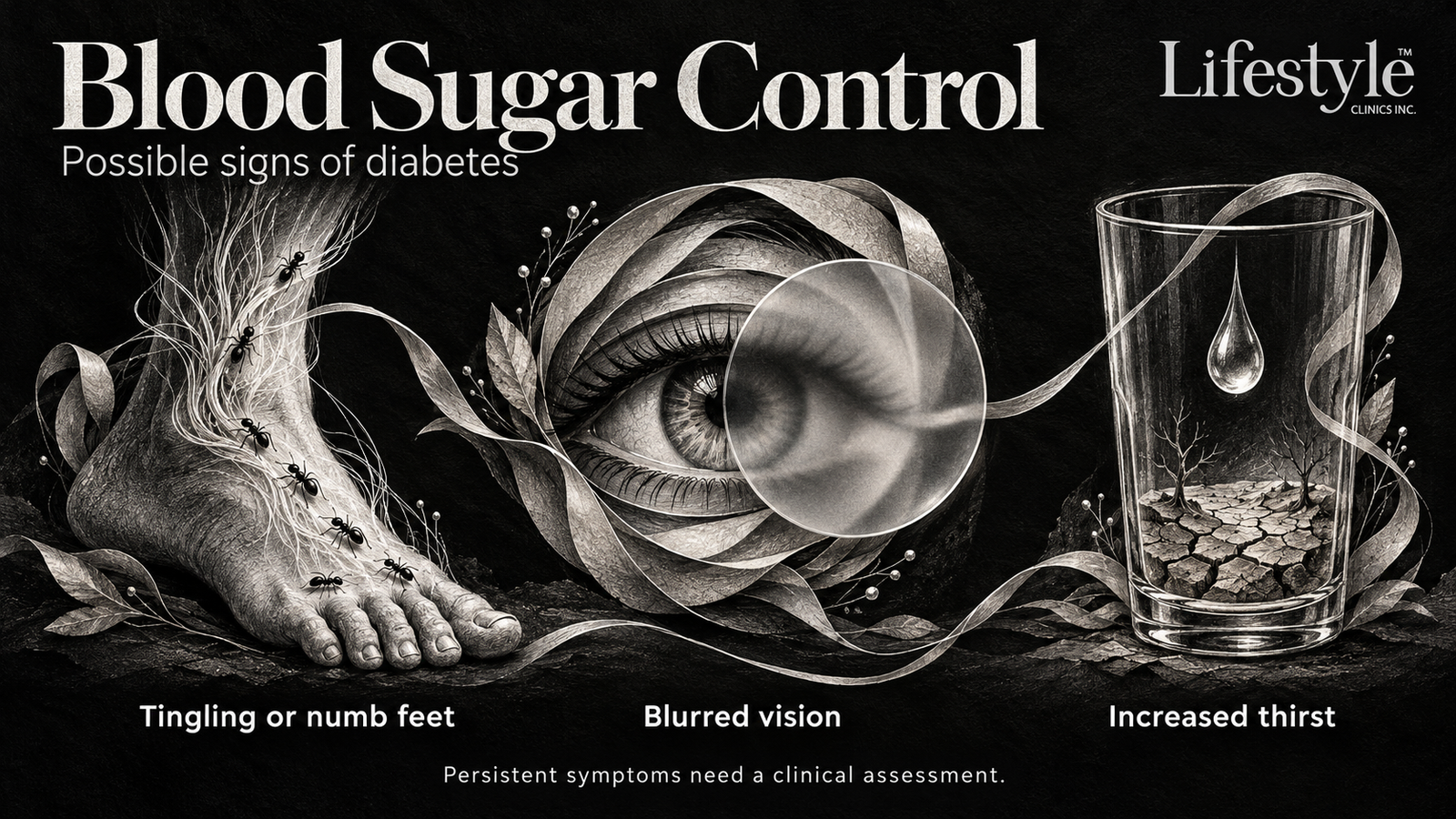
Diabetes can affect the heart, kidneys, eyes, nerves and feet. Managing blood glucose is therefore part of protecting health throughout the body. The priorities also include avoiding glucose levels that fall too low and recognising when symptoms need prompt attention.
The appropriate plan depends on the type of diabetes, existing health conditions and the person’s response to treatment. Age, pregnancy, work patterns and the ability to manage daily care can also influence clinical decisions. A useful consultation makes these considerations understandable and connects each recommendation to an identified need.
Choosing the Best Blood Sugar Control Services Near Me
The word best means different things to different patients. Some need help understanding a new diagnosis. Others want a review of persistent high readings, medication difficulties or changes in their health. Convenience matters, but the consultation should also provide a clear explanation of the assessment and proposed treatment.
When comparing services, ask who will assess your condition, what information to bring and how follow-up works. It is also useful to confirm consultation arrangements, expected costs and how investigations are organised. Clear answers help you decide whether the service fits your circumstances.
Searching for the best blood sugar control services near me should lead to a conversation about your own needs. A clinic’s published philosophy can introduce its approach, while the appointment establishes whether that approach translates into recommendations suitable for you.
Endocrinology and Lifestyle Care at LS Clinics
LS Clinics describes itself as a lifestyle clinic with an endocrinology focus. Within diabetes care, this creates space to discuss food choices, physical activity and other daily habits alongside medical findings. The purpose of the assessment is to understand the person experiencing the condition and the factors relevant to their care.
Hormonal concerns should be explored through the clinical history, examination and appropriate investigations. A broad interest in hormonal function does not establish that every patient needs extensive hormone testing. Recommendations should answer specific questions arising from the consultation.
Patients can use the appointment to explain what has already been tried and which difficulties remain. This may include demanding work schedules, changes in appetite, concerns about medicines or uncertainty about test results. Bringing these issues into the discussion helps make the proposed plan more practical.
Setting Clear Goals for Diabetes Treatment
A useful treatment conversation identifies what you and the doctor will review together. This may involve glucose patterns, symptoms or difficulties following the current plan. Agreeing on priorities helps you understand which changes deserve attention first and how the next appointment will assess them.
Ask the doctor to explain your individual targets and the reason for choosing them. A target appropriate for one person may need adjustment for another. Your treatment history and other health concerns should remain part of that discussion.
It is also helpful to distinguish immediate instructions from changes that will take time to evaluate. Ask when a response might reasonably be reviewed and which developments require earlier contact. Clear expectations make it easier to follow the plan without judging progress from isolated readings.
The Five Stages of Diabetes Care at LS Clinics
The clinic describes a pathway comprising a medical interview, investigations, diagnosis, treatment and follow-up. Each stage adds information that supports the next, with subsequent reviews assessing how recommendations work in practice.
Medical Interview
The medical interview establishes your clinical story. Relevant details include when abnormal glucose was first identified, previous diagnoses, current prescriptions and any symptoms you have noticed. Mention medicines obtained without a prescription, supplements and treatments recommended elsewhere.
Explain how you organise meals, activity and monitoring during an ordinary week. If you sometimes miss treatment because of cost, side effects or confusion, discussing this openly allows the doctor to address the difficulty. Accurate information provides a stronger foundation for care than an idealised account of your routine.
Investigations
Investigations should clarify questions raised during the interview and examination. Depending on your circumstances, the doctor may recommend glucose measurements, HbA1c or other relevant tests. Existing reports can help establish what is already known and which findings require further assessment.
Ask what each investigation is intended to show and whether any preparation is required. Understanding the purpose of testing helps you follow instructions and return with the information needed for the next stage. The choice of investigations should reflect clinical findings rather than assumptions about a standard package.
Diagnosis
Diagnosis brings the history, examination and test results together. The discussion should explain the type of diabetes or other condition being considered, the immediate priorities and any uncertainty that remains. Patients should understand whether additional assessment is needed before treatment decisions can be finalised.
This stage also provides an opportunity to correct misunderstandings. If a result seems inconsistent with your home readings or symptoms, raise the difference. Clear explanations make it easier to understand what the findings mean for daily care.
Treatment
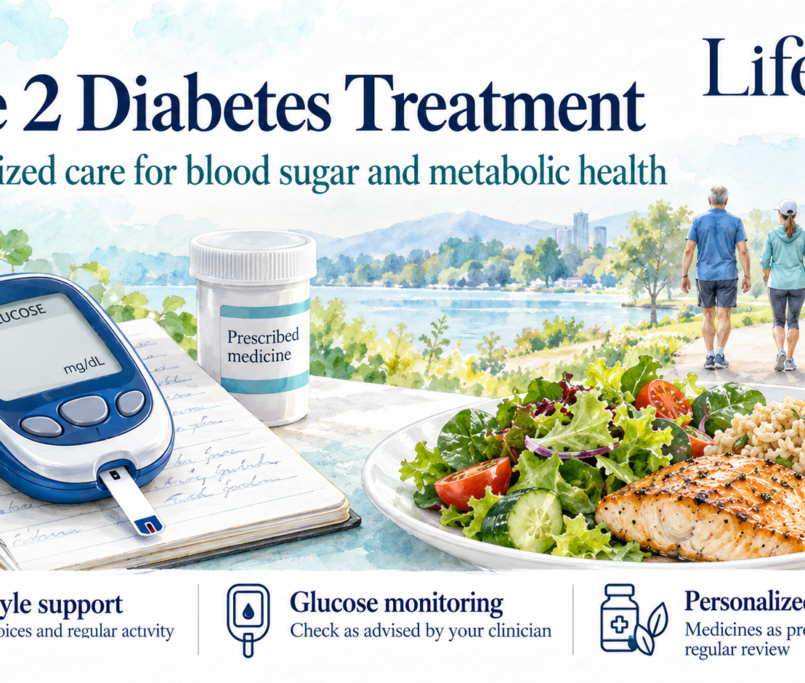
Treatment recommendations should follow the diagnosis and individual clinical needs. The plan may include dietary changes, activity recommendations, monitoring and prescribed medicines. Ask how each component contributes to the intended outcome and how its effect will be assessed.
Practical instructions matter. You should know what to do next, which changes require supervision and when to return. If the plan seems difficult to follow, explain the obstacle during the appointment so that realistic alternatives can be discussed.
Follow Up
Follow-up examines the response to treatment and allows decisions to be reconsidered as circumstances change. New symptoms, unexpected readings, side effects or difficulties maintaining the routine can all become part of the review.
For patients comparing the best blood sugar control services near me, continuity deserves attention. Ask how the next review will be arranged and what information to record beforehand. Knowing how progress will be assessed helps turn an initial consultation into an ongoing care relationship.
Understanding Minimum Dose Treatment
LS Clinics calls its approach “minimum dose treatment” and describes attention to the interaction of multiple hormones. Patients should ask how this philosophy applies to their diagnosis and what clinical measures will determine whether a prescription is effective.
An appropriate dose must meet the person’s treatment needs safely. The phrase should not be interpreted as a promise that every patient can reduce medicines or manage diabetes without insulin. Medication decisions depend on the condition being treated, the response and other relevant health factors.
If treatment changes are proposed, request clear instructions about what changes, why it changes and when the effect will be reviewed. Never reduce or stop prescribed diabetes treatment independently because readings have improved. Improvements may reflect the effectiveness of the existing plan.
You can also ask how the clinic will communicate prescription changes to you and any other doctor involved in your care. Keeping an accurate medication list helps avoid confusion when different appointments produce new recommendations or when a previous prescription is replaced.
Food Choices That Support Daily Management
Dietary changes are a central part of the approach described by LS Clinics. A useful discussion begins with what you actually eat, including portion sizes, drinks and meal timing. Food advice becomes more usable when it reflects your household, budget and cultural preferences.
Carbohydrate foods influence blood glucose, so understanding portions can help with meal planning. Vegetables, suitable protein foods and appropriate amounts of carbohydrate can form part of a balanced eating pattern. Replacing sugary drinks with unsweetened alternatives is another practical topic to discuss.
Ask the treating clinician how recommendations fit your medicines and any other dietary requirements. Someone with kidney disease, pregnancy or a history of low glucose may need different advice. A personalised plan should explain manageable changes and how their effects will be reviewed.
Describe familiar meals rather than asking only for a list of forbidden foods. Discussing the quantities and combinations you usually eat gives the clinician a more useful starting point. If another person prepares your meals, involving them with your permission may help translate advice into everyday cooking and shopping decisions.
Physical Activity and Everyday Habits
Regular physical activity can support diabetes management and wider health. The appropriate activity depends on your fitness, mobility, medical history and treatment. Walking may be an accessible starting point for some people, while others need a different activity or a more gradual approach.
LS Clinics also describes an interest in walking clubs. Ask about current arrangements and whether participation would be appropriate for your circumstances. A group activity may provide encouragement, but medical recommendations still need to reflect individual needs.
Sleep patterns, stress and the practical demands of daily life also deserve discussion. Explain if shift work, travel or family responsibilities make a routine difficult. The aim is to identify changes you can maintain and review, with support when the original plan proves unrealistic.
People taking insulin or certain other diabetes medicines should ask how activity may affect the risk of low glucose. Discuss whether additional checks or changes to the plan are needed before increasing activity. These decisions should be agreed with the treating professional.
Monitoring Glucose and Understanding HbA1c
HbA1c is an established blood test that reflects average glucose over approximately three months. It provides information about longer-term management, while individual glucose checks can show what is happening at particular times. The two forms of information answer different clinical questions.
Some medical conditions can affect HbA1c reliability. If it does not match other glucose measurements or the clinical picture, the doctor may investigate the discrepancy and choose appropriate additional monitoring. Interpretation should account for the patient’s circumstances.
Home monitoring may involve a glucose meter or continuous glucose monitoring when appropriate. Ask which method is suitable, when to check and what results require contact. Keeping useful records matters more than collecting numbers without understanding how they inform care.
When recording readings, note relevant circumstances if your doctor requests them, such as meal timing, activity or symptoms. This context can make a pattern easier to interpret. Ask how much information is useful so that record keeping remains manageable and serves a clear purpose.
Medicines and Insulin in Individual Care
Type 1 diabetes requires insulin treatment. Dietary changes, exercise and other lifestyle measures support management but cannot replace insulin. Understanding this distinction is essential when reading about lifestyle approaches to blood sugar control.
Some people with type 2 diabetes also need insulin or other glucose-lowering medicines. Requirements can change, and needing medication does not mean that personal efforts have failed. The treating doctor should explain the reason for a prescription and how it fits the wider plan.
When searching for the best blood sugar control services near me, look for clear medication discussions. Ask about administration, side effects, missed doses and what to do when circumstances change. Written instructions can help you follow an agreed plan accurately.
Type 2 Diabetes Remission and Realistic Expectations
Some people with type 2 diabetes can achieve remission. The commonly accepted definition is HbA1c below 6.5% for at least three months without usual glucose-lowering medication. The doctor must assess whether the criteria apply and whether the measurement is reliable.
Remission requires continuing monitoring because elevated glucose can return. It should not be presented as a guaranteed outcome or permanent cure. Patients still need appropriate reviews and assessment of diabetes-related health concerns.
Improved control remains valuable even when remission is not achievable. A realistic conversation focuses on the person’s current needs and the benefits the treatment plan is intended to deliver. Medicines should only be adjusted under clinical supervision, including when substantial lifestyle changes lead to better readings.
Continuing Reviews and Broader Health Checks
Follow-up should examine more than whether a single result has improved. It can also address symptoms, side effects, the practicality of the plan and changes in other health conditions. Bringing records and questions makes the review more useful.
Diabetes care may include assessment of blood pressure, cholesterol, kidney health, eyes and feet according to the person’s needs and recommended schedule. Ask which checks are due and whether another professional should be involved.
The timing of reviews should be agreed with the treating doctor. A change in treatment or an unresolved problem may require earlier reassessment. Knowing when to return and what would justify earlier contact supports a more consistent approach to care.
If a recommendation has been difficult to follow, bring that experience to the review. Describe the obstacle and what happened when you tried the change. This gives the doctor information for revising the plan and helps identify where explanation or additional support would be useful.
Education and Patient Experiences
LS Clinics describes lectures, seminars and workshops delivered internationally and online. Patients can ask which activities are currently available and whether they cover topics relevant to their diagnosis. Education can create opportunities to discuss practical questions that arise between appointments.
The clinic’s diabetes testimonials describe experiences of tailored care and supportive staff. Such accounts can help prospective patients understand how individuals perceived their care. They do not establish how every patient will respond or provide a guarantee of treatment results.
If you are comparing the best blood sugar control services near me, consider patient experiences alongside the actual consultation arrangements. Personal recommendations are most useful when they prompt relevant questions about assessment, communication and continuing support.
Preparing for a Diabetes Consultation Services Near Me
Bring recent laboratory reports, a current medication list and any glucose records you have been asked to keep. Include information about previous treatment changes and concerns you want addressed. If possible, organise reports by date so trends are easier to discuss.
Write down your main priorities before the appointment. You may want an explanation of a diagnosis, help with a difficult routine or a review of readings that have changed. Identifying these priorities helps the consultation address the issues affecting you most.
Ask for clarification whenever an instruction is unclear. Before leaving, check that you understand the next steps, the review arrangements and how to raise questions about the plan. A useful consultation should leave you better informed about your condition and your responsibilities within the agreed care process.
Tell the clinic beforehand if you anticipate travel, religious fasting or another significant change in your usual routine. Ask when this should be discussed with the doctor and whether it affects the timing of your review. Planning the conversation in advance gives you time to understand any individual instructions.
Involving Family and Caregivers
Some patients prefer to attend with a family member or caregiver who helps organise meals, prescriptions or appointments. If that would help you, ask the clinic about attendance arrangements and decide which information you are comfortable sharing. Your preferences should shape how another person participates in the discussion.
The companion can help record questions and clarify practical instructions, while you remain involved in decisions about your care. Explain who manages medicines at home and whether any instructions need to be communicated to them. Before leaving, check that everyone involved understands the agreed next steps and the timing of the review. Ask for an explanation again if any part of the agreed plan remains unclear.
Frequently Asked Questions
Can Lifestyle Changes Replace Diabetes Medicines
Lifestyle changes are important, but whether medicines remain necessary depends on the type of diabetes and individual clinical needs. Type 1 diabetes requires insulin. Some people with type 2 diabetes also require ongoing medication. Decisions about changing treatment belong with the treating doctor.
Should Everyone With Diabetes Have the Same Tests
Investigations should reflect symptoms, medical history and clinical findings. Existing reports may already answer some questions, while other concerns require additional assessment. Ask what each proposed test is intended to establish and how its result could affect the treatment plan.
Is an Improved Reading Evidence of a Permanent Cure
An improved reading is encouraging, but it does not establish a permanent cure. Glucose can change over time, and remission in type 2 diabetes has specific criteria. Continued monitoring helps the doctor assess whether improvements persist and whether treatment needs adjustment.
When Should Symptoms Receive Urgent Attention
Severe confusion, seizures or loss of consciousness can occur with dangerously low glucose. Vomiting, abdominal pain or deep, difficult breathing can indicate a serious diabetes emergency. Seek urgent medical care for severe symptoms rather than waiting for a routine appointment.
Requesting a Diabetes Consultation at LS Clinics
Patients can request an appointment by providing their name, mobile number, email address, selected health concern and preferred appointment date. Confirm the available location, consultation format and appointment details with the clinic before making travel arrangements.
The listed Asia headquarters is Al-Razi Building #10, Dubai Healthcare City, Dubai. Enquiries can be directed to +92 321 786 9227 or +92 321 970 0700, or emailed to info@lsclinics.com. lsclinics.com
If your search for the best blood sugar control services near me has brought you to LS Clinics, a consultation provides an opportunity to discuss your concerns and existing results. The next step is an individual assessment, by recommendations and review arrangements based on your clinical needs.